bulk custom shirt
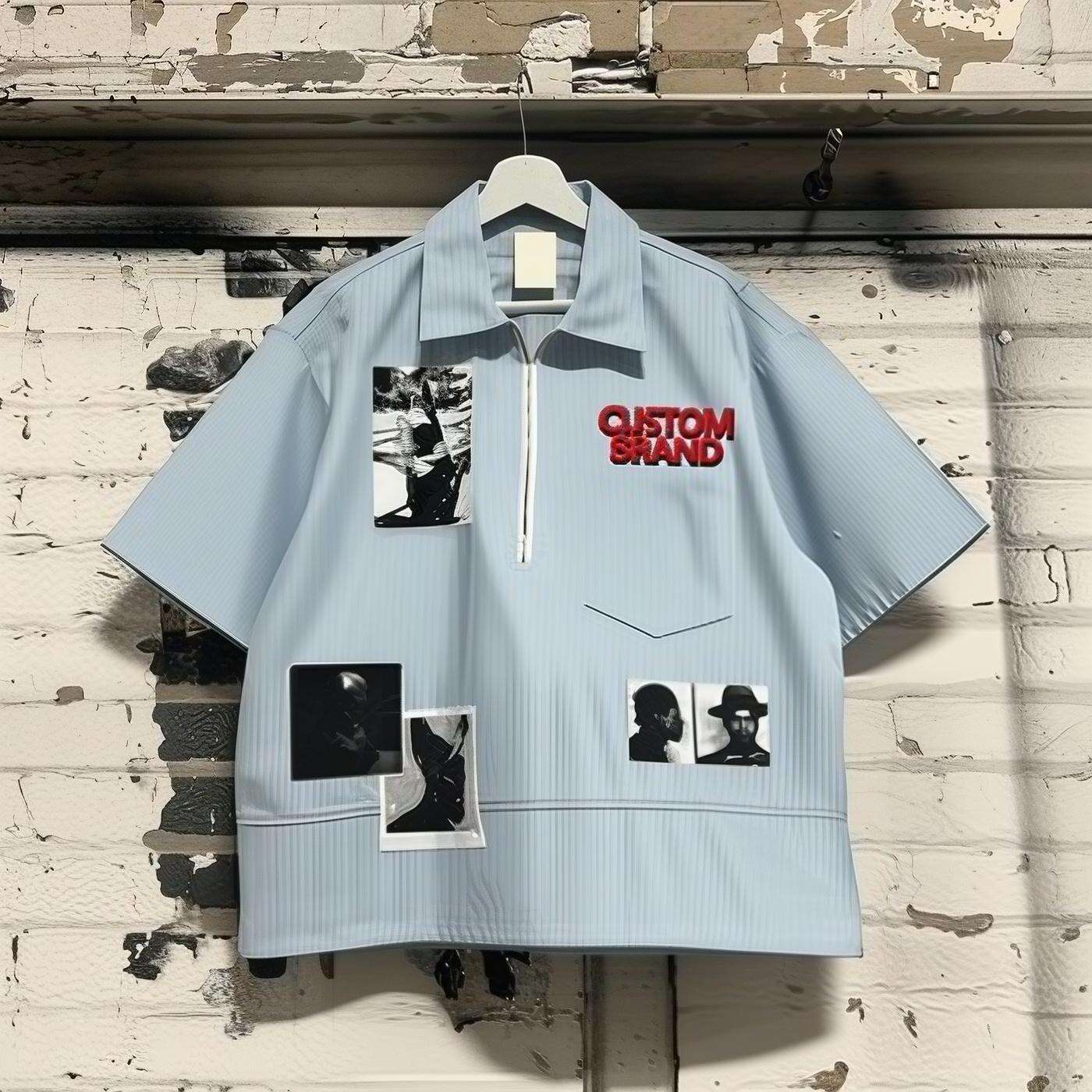
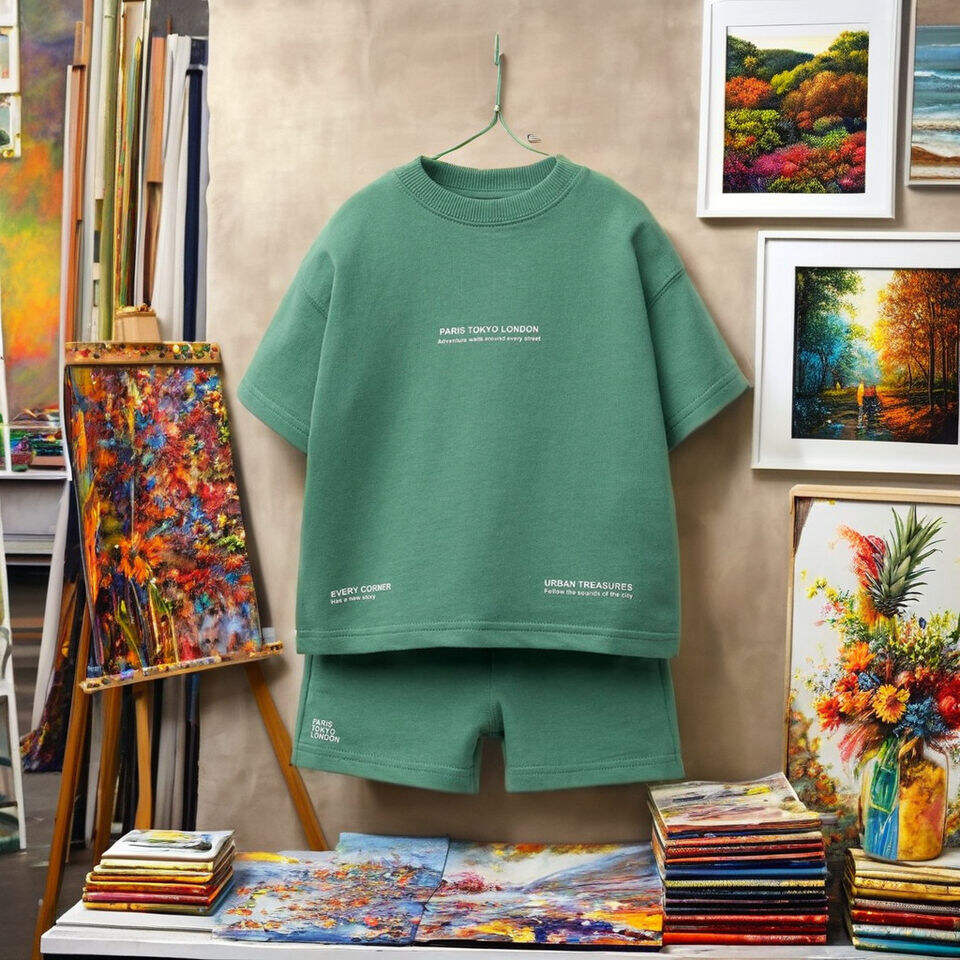
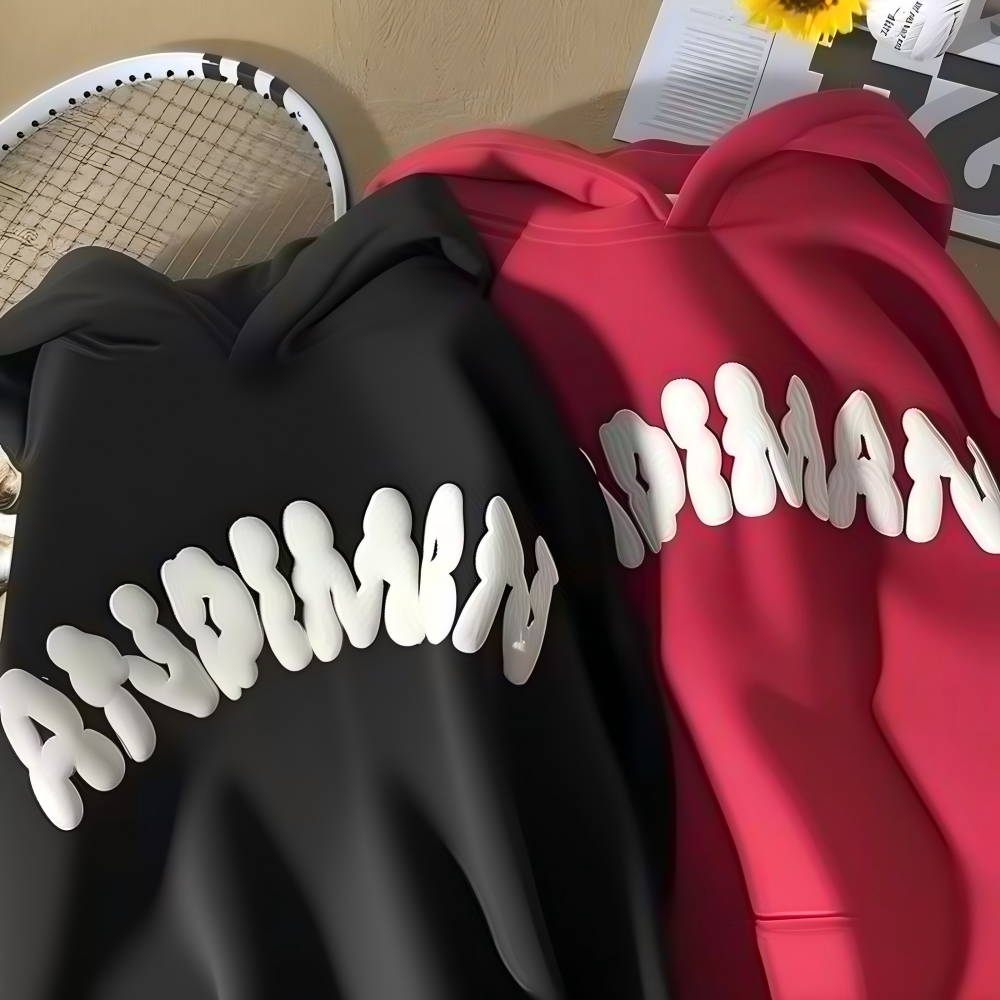
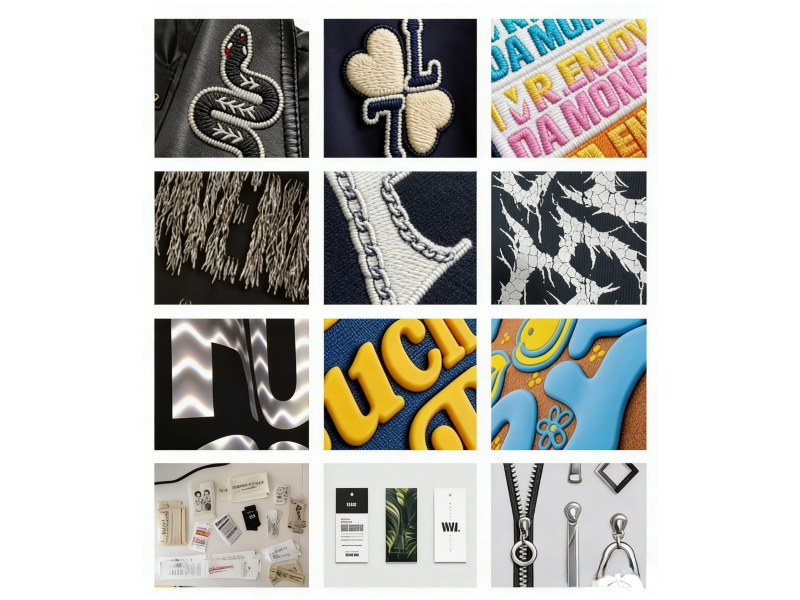
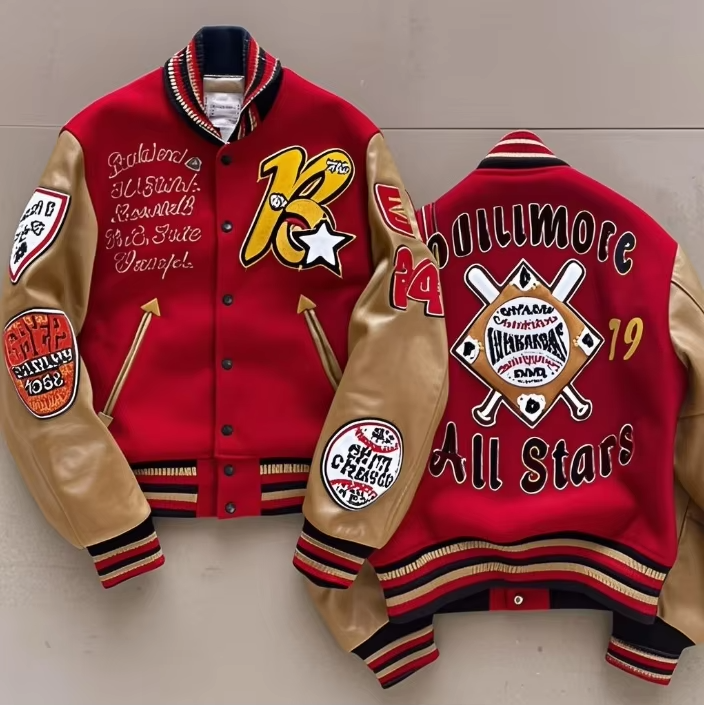
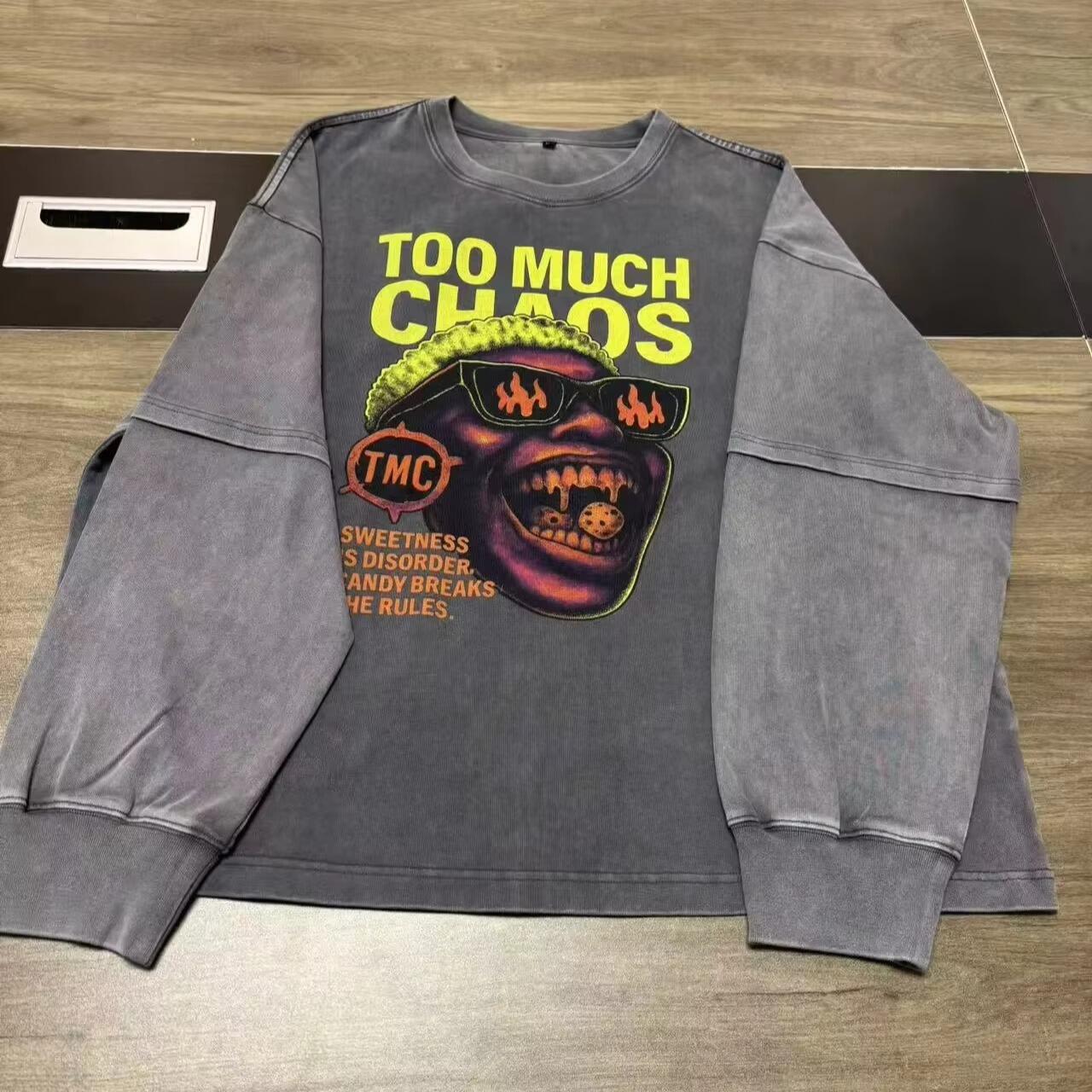
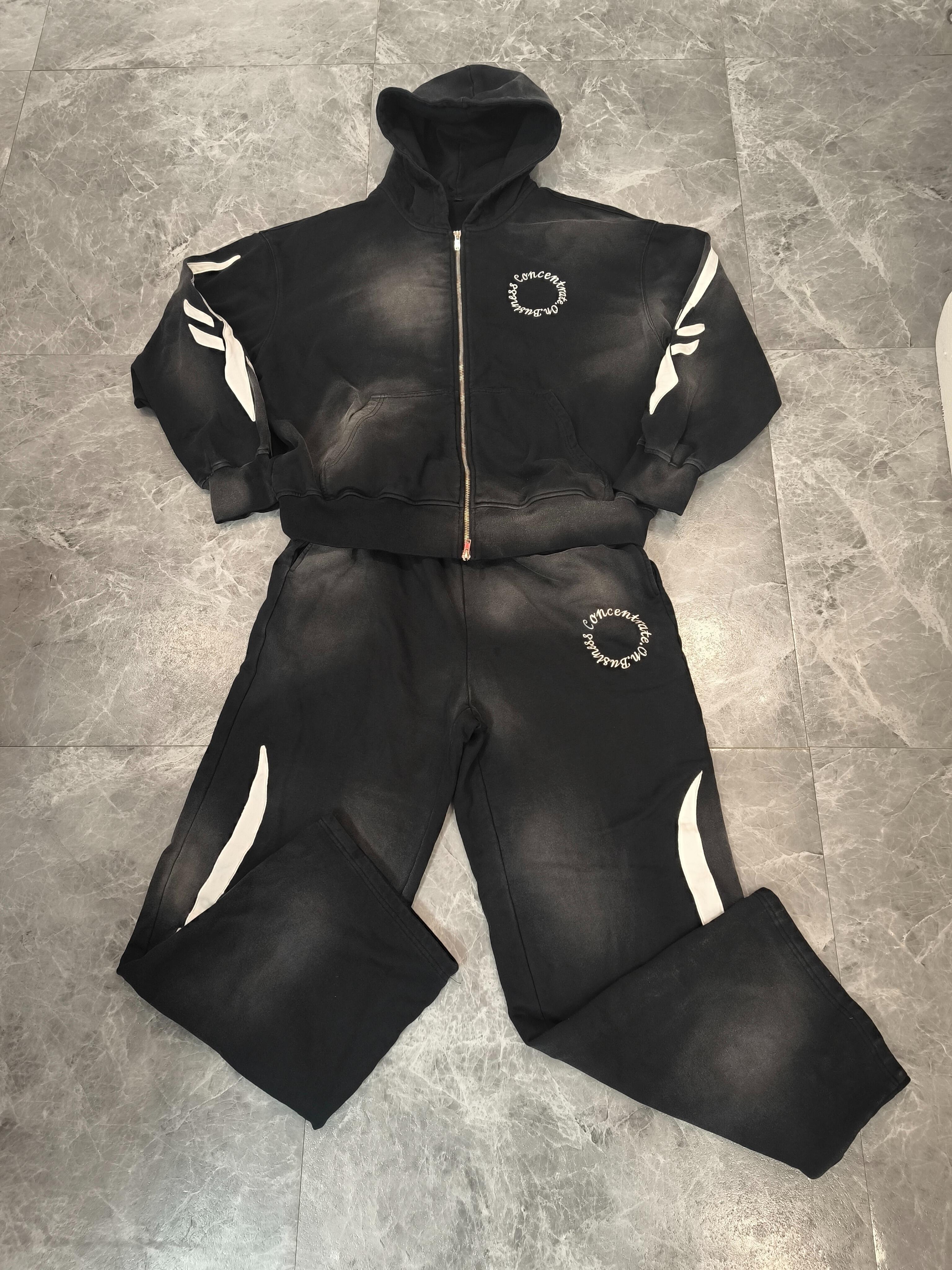
Bulk custom shirts represent a transformative solution for businesses, organizations, and groups seeking to establish brand identity while maintaining cost efficiency. These garments combine personalized design capabilities with volume purchasing advantages, creating opportunities for companies to outfit entire teams, promote events, or launch merchandise lines without breaking their budget. The core function of bulk custom shirt ordering lies in its ability to deliver professionally branded apparel at scale, whether you need 50 shirts for a corporate retreat or 5000 units for a product launch. Modern bulk custom shirt services utilize advanced printing technologies including screen printing, direct-to-garment digital printing, embroidery, and heat transfer methods, each offering distinct advantages depending on design complexity, fabric type, and durability requirements. The technological infrastructure supporting bulk custom shirt production has evolved dramatically, with online design tools allowing customers to visualize their creations in real-time, automated order processing systems ensuring accuracy, and sophisticated inventory management platforms tracking production from concept to delivery. Applications span virtually every industry: retail businesses create branded merchandise, schools and universities outfit athletic teams and student organizations, healthcare facilities maintain professional uniformity, hospitality companies present cohesive staff appearances, and marketing agencies execute promotional campaigns. The bulk custom shirt market serves startups building brand recognition, established corporations refreshing their image, non-profit organizations fundraising through apparel sales, and event planners creating memorable experiences. Quality considerations include fabric selection ranging from budget-friendly cotton blends to premium organic materials, construction techniques affecting garment longevity, and print durability ensuring designs withstand repeated washing. The ordering process typically involves design consultation, sample approval, bulk production, and coordinated delivery, with lead times varying based on quantity, customization complexity, and supplier capacity.
 ×
×

 EN
EN