
 EN



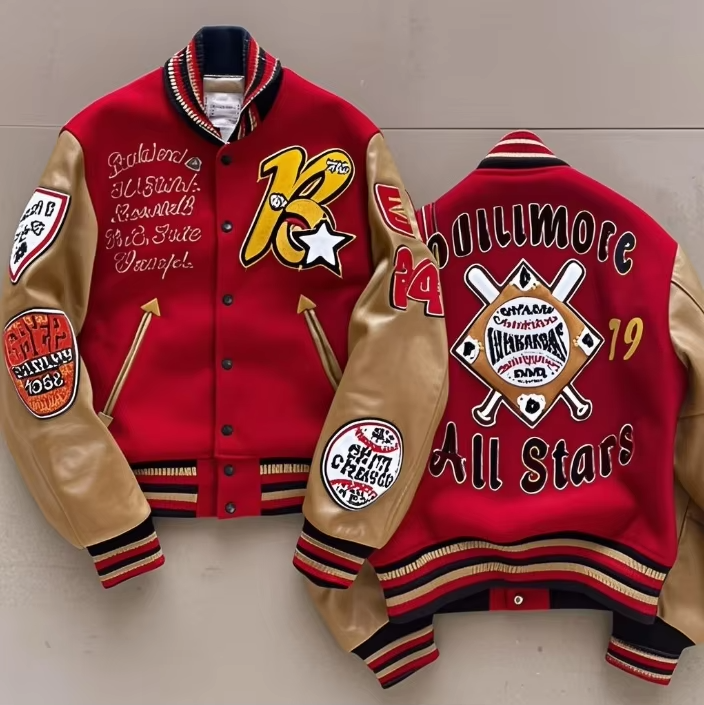
A quality mens denim jacket combines thoughtful structural design with premium materials to deliver both comfort and long-term durability. The way a mens denim jacket is constructed directly influences how it feels during wear, how well it moves with your body, and how many years it will remain in your wardrobe. Understanding the key structural elements that define a mens denim jacket helps you make informed purchasing decisions and care for your investment properly.
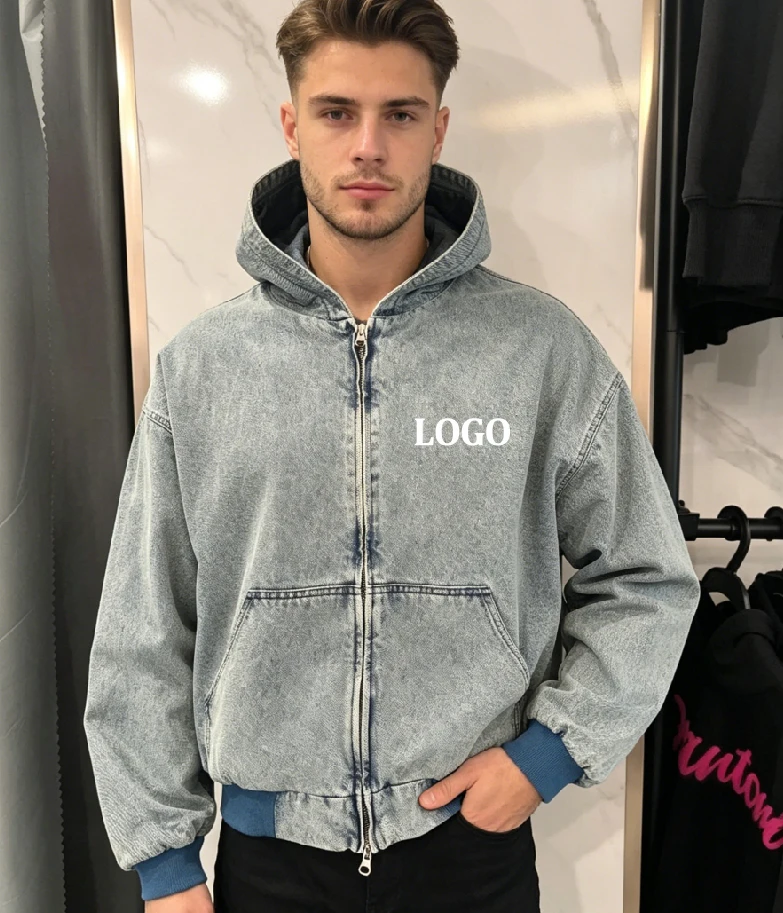
The structural integrity of a mens denim jacket begins with fabric composition and weight. Denim weight, typically measured in ounces per square yard, ranges from lightweight 10-ounce fabric to heavy-duty 16-ounce denim and beyond. A well-constructed mens denim jacket balances weight appropriately for the intended climate and use case, ensuring comfort without compromising durability. Heavier fabrics provide superior longevity and fade character, while lighter options offer flexibility and year-round wearability.
Seam Construction and Reinforcement
Stitch Quality and Thread Type
The seams on a premium mens denim jacket are where durability truly proves itself. High-quality construction uses reinforced stitching with heavy-duty thread, typically polyester or nylon blends that match or exceed the tensile strength of the denim fabric itself. A reliable mens denim jacket features double-stitched seams along stress points like shoulders, armholes, and side seams. Triple-stitched construction appears on the finest examples, providing additional insurance against failure during years of active wear. The stitch length on a mens denim jacket should be consistent and tight, with no skipped stitches or loose threads visible upon inspection.
Reinforcement at Stress Points
Stress points on a mens denim jacket require extra attention during manufacturing. These areas include the bottom of the front pockets, where fabric tears easily from repetitive reaching motions, and the base of the zipper, where constant opening and closing creates wear. A premium mens denim jacket incorporates fabric patches or rivets at these critical junctions, significantly extending the garment's functional life. The reinforcement should feel seamlessly integrated into the jacket rather than appearing as an afterthought, indicating thoughtful design in the mens denim jacket construction process.
Fit and Mobility Design
Sleeve Construction and Articulation
Comfort in a mens denim jacket depends heavily on how sleeves are cut and positioned. Properly engineered mens denim jacket sleeves incorporate a slight bend at the elbow, reducing strain when arms move naturally. The armhole depth on a quality mens denim jacket sits at a point that allows full shoulder mobility without excess fabric bunching. Many premium mens denim jacket designs feature a gusseted or underarm gusset, which is an extra triangular piece of fabric that prevents binding and improves comfort during active movement. These structural details transform a mens denim jacket from a stiff, restrictive garment into one that moves with your body.
Length and Proportions
The overall length of a mens denim jacket affects both comfort and visual balance. A well-proportioned mens denim jacket typically extends to the hip bone or slightly below, providing coverage without creating bulk around the midsection. The back length on a mens denim jacket should be slightly longer than the front, accounting for natural posture and movement. Shoulder seams must sit directly at the shoulder point, not rolling forward or back, which would indicate poor structuring of the mens denim jacket. These proportional relationships define whether a mens denim jacket appears and feels tailored versus sloppy.
Fabric and Finish Quality
Denim Weight and Weave Density
The durability foundation of any mens denim jacket begins with yarn quality and weave tightness. A densely woven mens denim jacket resists tearing, fading, and wear more effectively than loosely constructed alternatives. Premium mens denim jacket fabrics use long-staple cotton fibers, which are stronger and softer than short-staple varieties. The weave structure itself matters significantly; a tight twill weave on a mens denim jacket distributes stress across more fibers, reducing the likelihood of breaks and rips. This structural approach to mens denim jacket fabric selection directly correlates with years of reliable performance.
Finishing Processes and Treatment
How a mens denim jacket is finished after weaving impacts both comfort and longevity. Sanforizing, a controlled shrinkage process, prevents excessive shrinkage when washing a mens denim jacket for the first time. High-quality mens denim jacket manufacturing includes proper stone-washing or enzyme treatments that soften the fabric without compromising structural integrity. Some premium mens denim jacket brands apply protective coatings to the surface, enhancing water resistance and reducing fading from UV exposure. These finishing touches transform a mens denim jacket from raw material into a refined product ready for years of dependable wear.
Hardware and Closures
Zipper and Button Integration
The closure systems on a mens denim jacket endure thousands of open and close cycles, making their construction critical. A durable mens denim jacket features a heavy-duty metal zipper with teeth that glide smoothly without catching or separating. The zipper installation on a mens denim jacket should include reinforced fabric backing that prevents the zipper from pulling away from the jacket body. Button placement and attachment on a mens denim jacket should use reinforced threading through the button shank, with extra stitches crossing the shank to prevent buttons from spinning or tearing free. The pull tab on a mens denim jacket zipper should be ergonomic and securely fastened, not glued or loosely stitched.
Pocket Hardware and Durability
Pockets on a mens denim jacket are stress points that require robust construction. The top opening of each pocket on a mens denim jacket should be reinforced with a metal or riveted bar that prevents tearing when reaching in and out repeatedly. Interior pocket linings on a quality mens denim jacket use durable cotton twill or canvas rather than flimsy synthetic fabric that shreds easily. The pocket bag attachment to the main jacket body on a mens denim jacket should involve multiple stitch lines that won't fail under the weight of keys, phones, or wallets. These details distinguish a carefully constructed mens denim jacket from one built to minimal standards.
FAQ
What is the ideal fabric weight for a mens denim jacket?
The ideal weight for a mens denim jacket depends on your climate and intended use. For year-round versatility, 12 to 14 ounces offers a balance between comfort and durability. Heavier 15-16 ounce denim provides superior longevity and develops character quickly through fading, but may feel stiff in warm climates. Lighter 10-11 ounce denim offers comfort in spring and fall but sacrifices some durability. Choose based on where you live and how frequently you'll wear the mens denim jacket.
How often should I wash my mens denim jacket?
Most experts recommend washing a mens denim jacket sparingly to preserve its color and structure. Wash every 6-12 months under normal conditions, or when visible staining occurs. Turn the jacket inside out before washing in cold water, using a gentle cycle or hand washing. Air-dry completely away from direct heat, which can damage the fibers and fade the denim. Proper washing technique extends the lifespan of your mens denim jacket significantly compared to frequent machine washing.
Can a poorly structured mens denim jacket be altered?
Some structural issues with a mens denim jacket can be addressed through tailoring, while others cannot. Sleeve length, inseam adjustments, and minor fit tweaks are manageable alterations. However, fundamental design flaws like incorrect armhole depth or shoulder width are difficult and expensive to modify. The best approach is to purchase a well-constructed mens denim jacket from the start rather than attempting to fix poor structural design after purchase.