
 EN



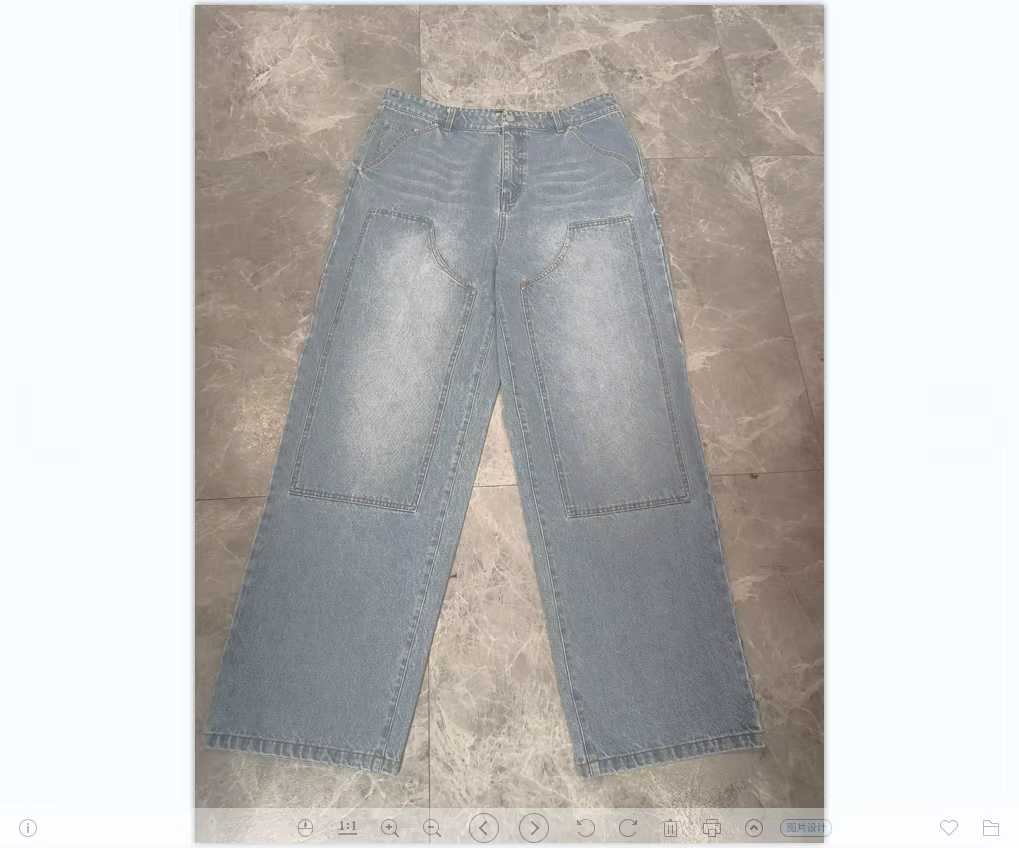
The quality and composition of mens jeans fabric directly determines how well your denim performs under the demands of daily wear. Whether you work in an office, on a construction site, or anywhere in between, the fabric your mens jeans are made from influences everything from comfort to longevity. Understanding fabric characteristics helps you select mens jeans that will withstand regular washing, movement, and environmental exposure without premature fading, tearing, or loss of shape.
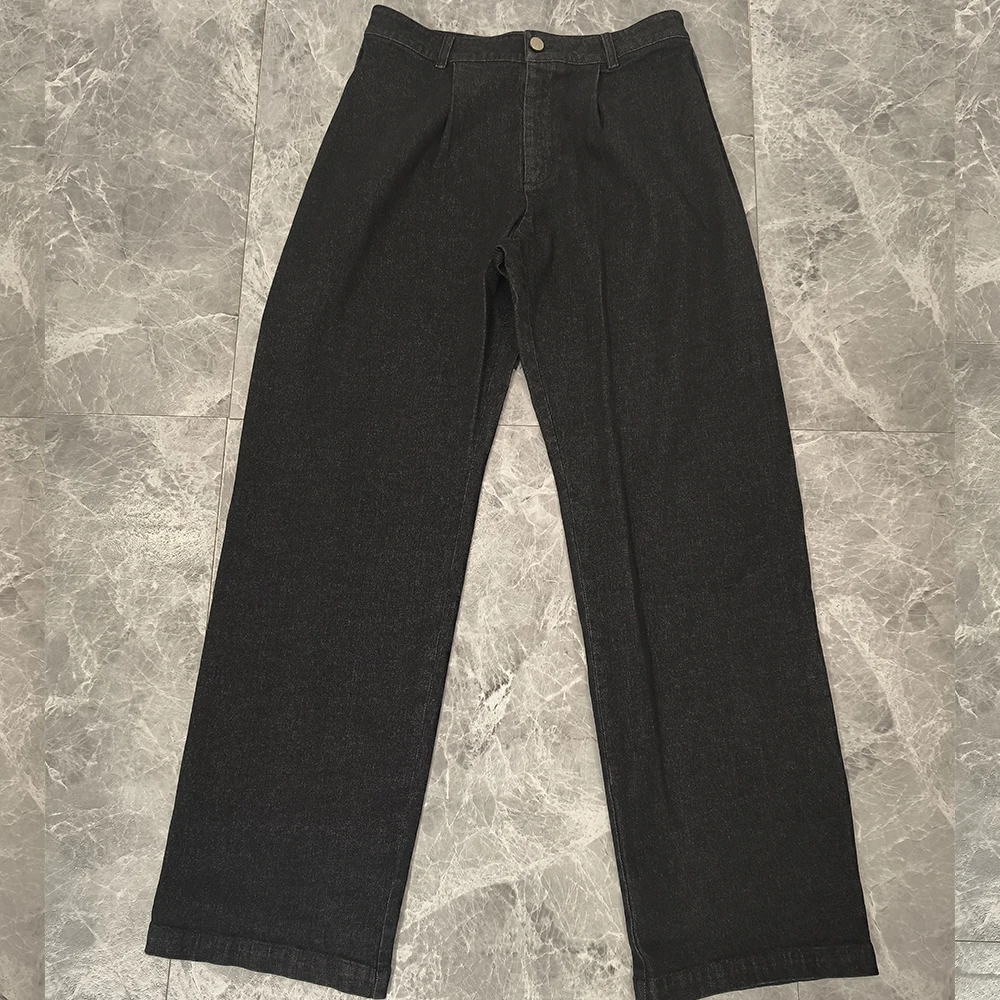
Mens jeans manufacturers invest significant effort into selecting the right fabric because durability directly affects brand reputation and customer satisfaction. The relationship between fabric properties and real-world performance is measurable and predictable. By learning how mens jeans fabric works, you can make informed purchasing decisions and understand why some pairs last years while others deteriorate quickly.
Fabric Weight and Thread Density Impact
Understanding Ounce Measurements
Mens jeans fabric weight is measured in ounces per square yard, typically ranging from 12 to 16 ounces for standard denim. This measurement directly correlates to durability in daily wear applications. Heavier mens jeans fabric contains more fiber per square inch, creating a denser weave that resists punctures, abrasion, and general wear. A 14-ounce or 15-ounce fabric offers an excellent balance between durability and wearability for everyday mens jeans. Lighter fabrics below 12 ounces tend to thin out faster in high-stress areas like thighs and crotch seams, while heavier options exceeding 16 ounces can feel stiff initially but provide exceptional longevity in mens jeans designed for heavy labor.
Thread Count and Structural Integrity
The thread density within mens jeans fabric determines how tightly the weave is constructed. Higher thread counts mean more fibers are interlocked per square inch, directly enhancing durability. Mens jeans with tight weaves distribute stress across more fibers, preventing individual threads from breaking under tension. When you bend your knees or sit down, the stress spreads across hundreds of fibers rather than concentrating on a few weak points. Quality mens jeans manufacturers invest in precision looms that maintain consistent thread density throughout the fabric, ensuring uniform durability across all areas of the garment.
Fiber Composition and Material Selection
Cotton Content in Mens Jeans
The primary fiber in most mens jeans is cotton, which provides breathability, comfort, and a natural aesthetic that consumers prefer. However, not all cotton delivers equal durability in daily wear. Long-staple cotton varieties used in premium mens jeans have longer individual fibers that create stronger yarn and more durable fabric. When mens jeans are constructed from high-quality cotton, the fibers interlock more effectively and resist pilling, fraying, and general fiber breakage. Mens jeans made from lower-grade cotton fibers tend to develop surface wear, pilling, and visible degradation more quickly, especially in pocket edges and high-friction areas.
Synthetic Blend Advantages
Many modern mens jeans incorporate small percentages of elastane or polyester to enhance durability and comfort in daily wear. Elastane content, typically 1–3% in mens jeans, significantly improves stretch recovery and reduces permanent creasing and bagging. When you move throughout the day, mens jeans with elastane return to their original shape more reliably, reducing stress on individual fibers. Polyester blends in mens jeans improve colorfastness and reduce fading, helping your jeans maintain a consistent appearance through multiple wash cycles. The key is achieving the right balance—too much synthetic fiber reduces the authentic denim feel that consumers expect from mens jeans, while too little misses the durability and recovery benefits that synthetic fibers provide.
Construction Methods and Seam Durability
Stitching Techniques in Mens Jeans
The way mens jeans are stitched directly impacts durability in high-stress areas like crotch seams, pocket corners, and waistband attachment points. Double-stitched and triple-stitched construction in mens jeans creates redundancy—if one stitch line fails, the secondary stitches hold the garment together. Chain-stitching, commonly used in quality mens jeans manufacturing, creates a more flexible seam that can stretch without breaking, while lock-stitching provides maximum strength for seams that experience repetitive stress. When examining mens jeans, look for consistent stitch spacing and reinforced corners where multiple seams intersect, as these details indicate attention to durability engineering.
Selvedge Edge and Pocket Reinforcement
Selvedge edges in mens jeans refer to the naturally finished outer edge of the fabric that results from the original loom production process. This edge is inherently stronger than cut edges because fibers are already bound together by the loom structure. Premium mens jeans often feature selvedge construction because it eliminates the need for edge binding and creates a more durable perimeter. Additionally, pocket reinforcement with bar tacks—small stitched triangles or X-patterns—distributes stress at pocket corners in mens jeans, extending the lifespan of these high-wear areas. Top-quality mens jeans may also include hidden stitching inside pockets and reinforced belt loops to prevent common failure points.
Dye Application and Color Retention
Indigo Dye Penetration
Traditional indigo dyeing, the standard for authentic mens jeans, involves coating rather than fully saturating the fiber with color. This is why vintage mens jeans fade in a specific pattern—the surface indigo wears away through use, revealing lighter blue or white fabric underneath. The durability of indigo color depends on how thoroughly the dye was applied during manufacturing. High-quality mens jeans use multiple indigo dip cycles to build deeper color saturation, which paradoxically makes fading more gradual and even across the garment. When mens jeans are dyed with fewer dip cycles, they fade rapidly and unevenly, creating a worn appearance in just weeks rather than years.
Washing and Care Impact on Durability
The durability of mens jeans fabric is also affected by post-production finishing processes and home care practices. Sanforization—a mechanical process applied during manufacturing—pre-shrinks the fabric to minimize future shrinkage, protecting the fit and structural integrity of your mens jeans through multiple wash cycles. Mens jeans that skip proper sanforization may shrink unpredictably, creating stress points and potential tearing. Turning mens jeans inside out before washing, using cold water, and air drying rather than machine drying all significantly extend fabric life by reducing unnecessary agitation and heat exposure.
FAQ
What ounce weight is best for durable mens jeans?
For daily wear, 14–16 ounce mens jeans offer optimal durability without excessive stiffness. This weight range provides enough fiber density to resist tearing and abrasion in regular use while remaining comfortable for extended wear. Heavier mens jeans exceeding 16 ounces are best for heavy-duty work, while lighter options work for casual summer wear but sacrifice some longevity.
How does cotton quality affect mens jeans durability?
Higher-grade cotton with longer fibers creates stronger yarn and more resilient fabric in mens jeans. Long-staple cotton resists pilling and fiber breakage better than lower-grade cotton, meaning your mens jeans maintain their appearance and structural integrity through more wear cycles and wash cycles before visible degradation occurs.
Why do some mens jeans last longer than others?
Durability in mens jeans results from the combined effect of fabric weight, fiber quality, construction methods, dye penetration, and proper finishing. Premium mens jeans combine heavy-weight fabric, high-quality cotton or cotton blends, reinforced seams with multiple stitch lines, and thorough indigo dye application. Budget mens jeans often cut corners on one or more of these factors, resulting in faster deterioration.