
 EN



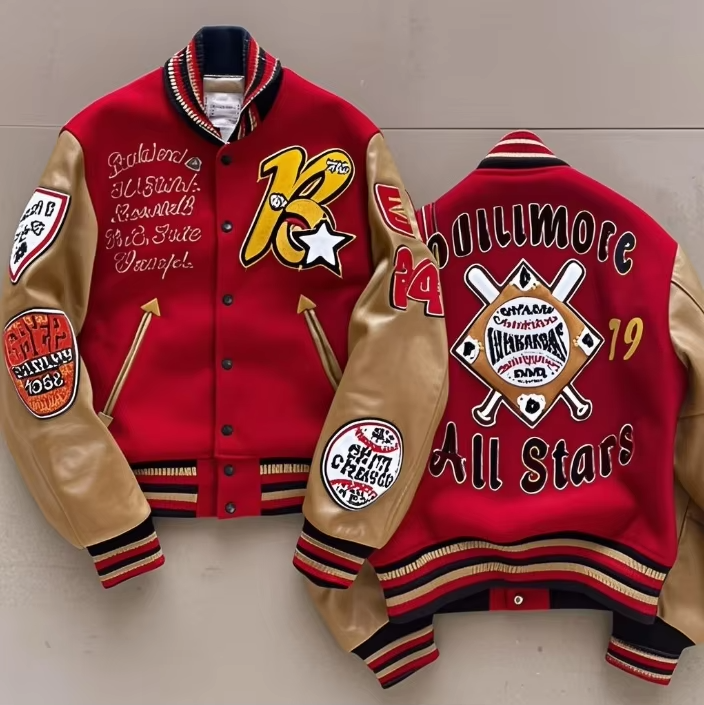
A mens denim jacket stands as one of the most versatile pieces in any wardrobe, valued for its timeless appeal and practical durability. The performance of a mens denim jacket in daily wear extends far beyond its visual aesthetics, encompassing factors such as fabric composition, construction methods, fit design, and care practices. Understanding these elements helps wearers make informed decisions about garment selection and maintenance, ensuring their investment remains functional and stylish for years to come. The interaction between material quality, manufacturing standards, and individual usage patterns determines how well a mens denim jacket performs under everyday conditions.
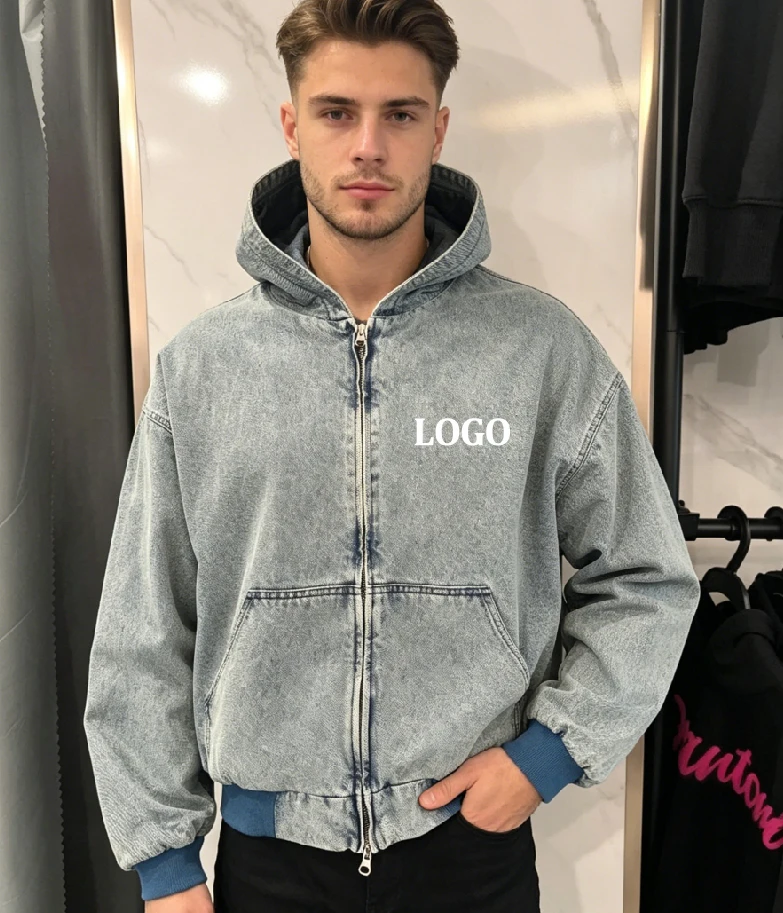
Daily wear places consistent demands on a mens denim jacket, from temperature regulation and movement flexibility to stain resistance and structural integrity. Environmental exposure, body mechanics, and cleaning frequency all influence how a mens denim jacket ages and maintains performance over time. Recognizing these performance drivers enables owners to select appropriate garments for their lifestyle and apply proper care techniques that enhance longevity. This article examines the primary factors shaping mens denim jacket performance in real-world conditions.
Fabric Composition and Fiber Quality
Cotton Weight and Weave Structure
The foundational performance of a mens denim jacket depends largely on its fabric composition, specifically the weight and weave of the cotton used. Heavier-weight fabrics, typically measured in ounces per square yard, provide superior durability and resistance to wear patterns that emerge from frequent folding, bending, and friction points. A mens denim jacket constructed from 12 to 14-ounce denim typically outperforms lighter alternatives in daily wear scenarios, offering enhanced structure at the shoulders and elbows where stress concentrates most heavily. The twill weave characteristic of quality denim creates a diagonal ribbing pattern that distributes stress more effectively than flat weaves, allowing a mens denim jacket to retain shape despite repeated movement.
Fiber Blend and Processing Methods
While traditional 100-percent cotton dominates mens denim jacket production, the specific cotton grade and any synthetic blending directly affect performance metrics such as flexibility, color retention, and shrinkage control. Raw fiber selection determines how well a mens denim jacket resists fading from washing and sun exposure, with long-staple cotton varieties maintaining color vibrancy longer than short-staple alternatives. Pre-shrinking processes applied during manufacturing significantly influence how consistently a mens denim jacket maintains its fit after multiple wash cycles. Processing methods like sanforization create dimensional stability that prevents unexpected size changes, a critical performance factor for a mens denim jacket intended for consistent daily wear.
Construction Quality and Seam Integrity
Stitch Density and Thread Materials
The performance durability of a mens denim jacket hinges directly on seam construction quality, where stitch density and thread material determine how well the garment withstands the constant stress of daily movement. Higher stitch counts, typically 18 to 22 stitches per inch, create stronger seam lines that resist separation and fraying, particularly at high-stress areas like armholes and pocket corners. A mens denim jacket constructed with reinforced stitching at stress points experiences dramatically improved longevity compared to single-stitched alternatives. Thread material compatibility matters significantly, as polyester-core threads wrapped in cotton create superior performance in a mens denim jacket by resisting breakage while maintaining appropriate flexibility.
Pocket Reinforcement and Hardware Durability
Pocket construction represents a critical performance area where daily wear stress manifests most visibly in a mens denim jacket. Double-stitched pocket bags and reinforced corner stitching prevent the pocket blow-out failures that compromise a mens denim jacket's functionality and aesthetic appeal. Hardware durability, including button and rivet quality, directly influences whether a mens denim jacket maintains closure function under constant opening and closing stress. Premium rivets made from copper or solid brass outperform cheaper alternatives in a mens denim jacket, resisting corrosion and mechanical failure. The stitching pattern holding buttons and rivets in place determines whether a mens denim jacket's fasteners remain secure through hundreds of wear cycles.
Fit Design and Movement Accommodation
Sleeve Length and Shoulder Width Alignment
The performance comfort of a mens denim jacket during daily wear depends substantially on achieving appropriate fit proportions that accommodate natural body movement without creating stress concentration points. Proper sleeve length prevents excessive folding at the cuff, which causes accelerated fabric breakdown in a mens denim jacket worn regularly. Shoulder width that aligns with individual body structure allows arm movement without creating unwanted tension on seams, enhancing both comfort and performance durability of a mens denim jacket. When a mens denim jacket fits too tightly across the shoulders or chest, the concentrated stress significantly accelerates seam degradation and fabric wear patterns.
Torso Length and Collar Design
Torso length proportions affect how evenly a mens denim jacket distributes body weight and pressure during wearing, influencing fabric stress distribution. A properly proportioned mens denim jacket prevents the hemline from riding up during movement, which creates unnecessary strain on back seams. Collar design and construction quality affect both comfort and performance, as a well-constructed collar maintains structure throughout a mens denim jacket's lifetime, while poorly finished collars curl or fray with regular wear. The positioning of collar seams relative to shoulder seams influences stress distribution across the upper body, a key performance factor in daily-wear a mens denim jacket.
Maintenance Practices and Care Impact
Washing Frequency and Temperature Control
The performance longevity of a mens denim jacket extends significantly when owners implement appropriate washing protocols that minimize unnecessary stress on fabric fibers. Frequent hot-water washing accelerates color fading and fiber deterioration, reducing the performance lifespan of a mens denim jacket compared to cold-water washing. Spot-cleaning and hand-washing preserve a mens denim jacket's structural integrity far better than regular machine washing, particularly during the crucial first six months of ownership when dye bleeding and sizing compounds remain active. Many experienced wearers preserve a mens denim jacket performance by limiting washes to every 3-6 months, allowing the fabric to set and harden naturally while maintaining color depth.
Drying Methods and Storage Conditions
Proper drying technique directly determines how well a mens denim jacket maintains its shape and performance characteristics after washing. Machine drying at high temperatures dramatically shortens a mens denim jacket's lifespan by subjecting fibers to excessive heat stress, while air-drying preserves fabric elasticity and color saturation. Storage conditions significantly influence a mens denim jacket's performance between wearing cycles, as humidity and temperature fluctuations cause unnecessary fiber swelling and contraction. Hanging a mens denim jacket on padded hangers prevents shoulder creasing and maintains proper garment shape, ensuring consistent fit performance across multiple wear seasons. Avoiding storage in compressed spaces prevents permanent creases that compromise the wearing comfort and visual presentation of a mens denim jacket.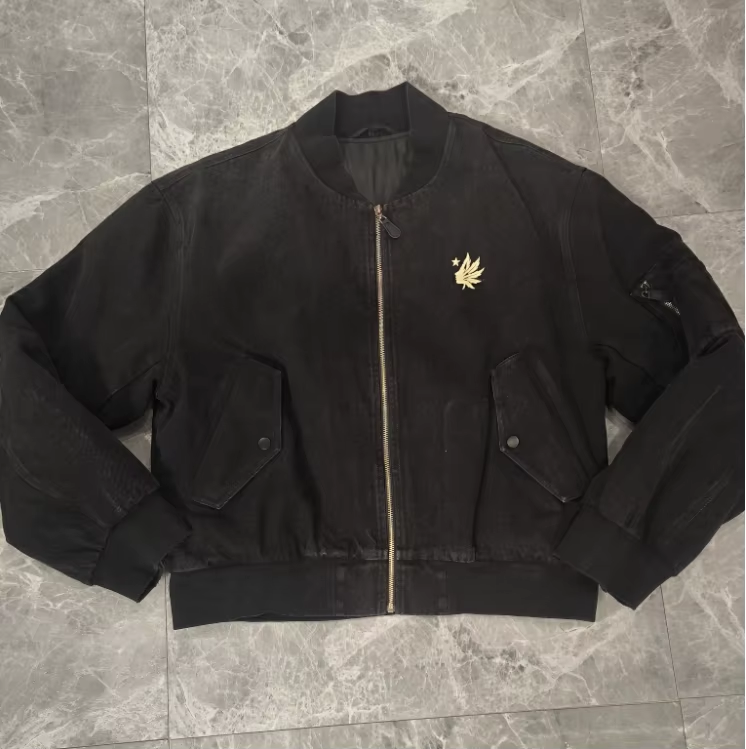
FAQ
What weight of denim provides optimal performance for a mens denim jacket in daily wear?
A mens denim jacket constructed from 12 to 14-ounce denim delivers the optimal balance between durability and wearability for daily use. This weight range provides sufficient fabric density to resist stress wear at friction points while maintaining enough flexibility for comfortable movement throughout daily activities. Lighter fabrics under 10 ounces wear thin quickly in a mens denim jacket, while heavier options above 16 ounces can feel restrictive and uncomfortable during extended wear periods.
How often should a mens denim jacket be washed to maintain performance?
Experts recommend washing a mens denim jacket only every 3-6 months during normal daily wear, using cold water and gentle cycles to preserve fabric integrity. This infrequent washing schedule allows the denim fibers in a mens denim jacket to develop character while minimizing unnecessary color fading and fiber stress. Spot-cleaning visible stains between full washes extends the performance period of a mens denim jacket significantly compared to weekly or bi-weekly washing routines.
Which factors determine how long a mens denim jacket remains functional in daily wear?
A mens denim jacket's functional lifespan depends on the interaction between initial fabric quality, seam construction standards, proper fitting, and consistent maintenance practices. Premium fabric composition and high-stitch-count seams in a mens denim jacket can provide 5-10 years of reliable performance, while poor construction may fail within 12-18 months. Individual body mechanics, frequency of wear, and climate conditions also substantially influence how long a mens denim jacket maintains performance, with careful owners extending functionality well beyond original expectations.