
 EN
EN



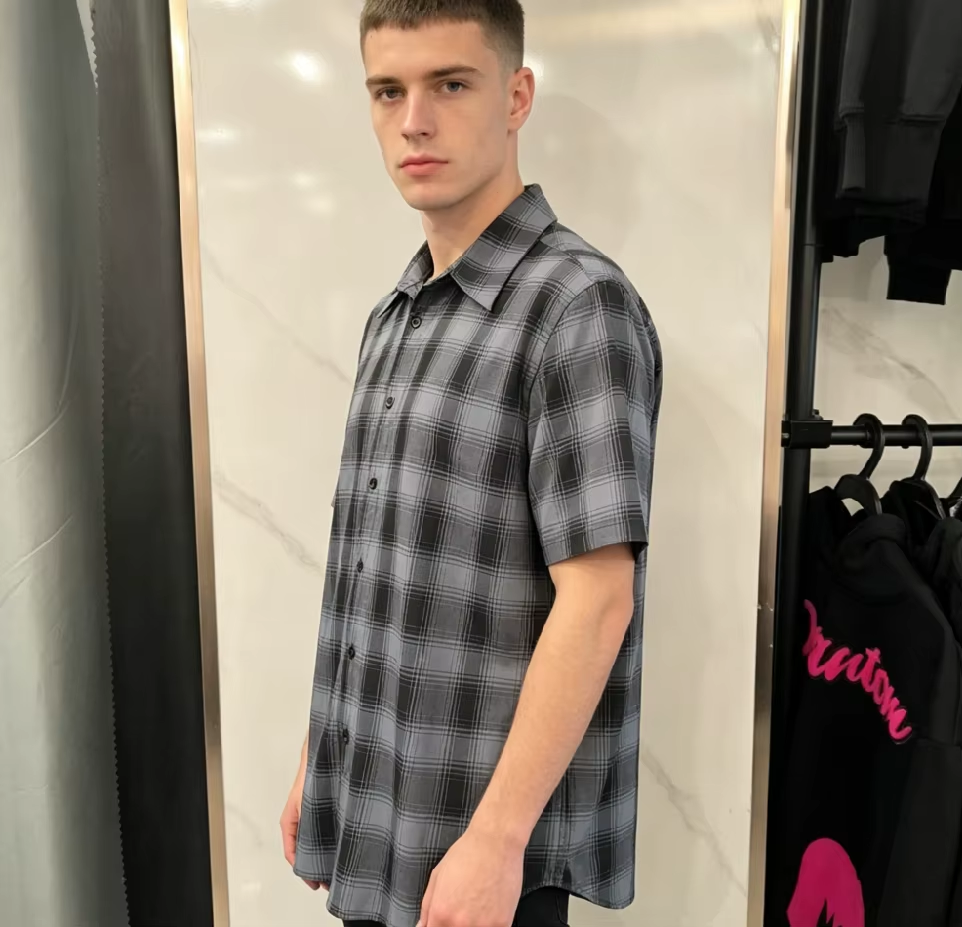
A mai vállalati környezetben a férfi inges öltöny kiválasztása jelentősen befolyásolja a szakmai megjelenést és a munkahelyi hatékonyságot. A férfi inges öltöny teljesítménye messze túlmutat a vizuális megjelenésen – közvetlenül hatással van a bizalomra, a hitelességre és a hosszú távú karrierpozícióra. A férfi inges öltöny teljesítményét meghatározó kulcsfontosságú tényezők megértése segít a szakembereknek megtárgyalt vásárlási döntéseket hozni és maximalizálni beruházásukat üzleti ruházatba.
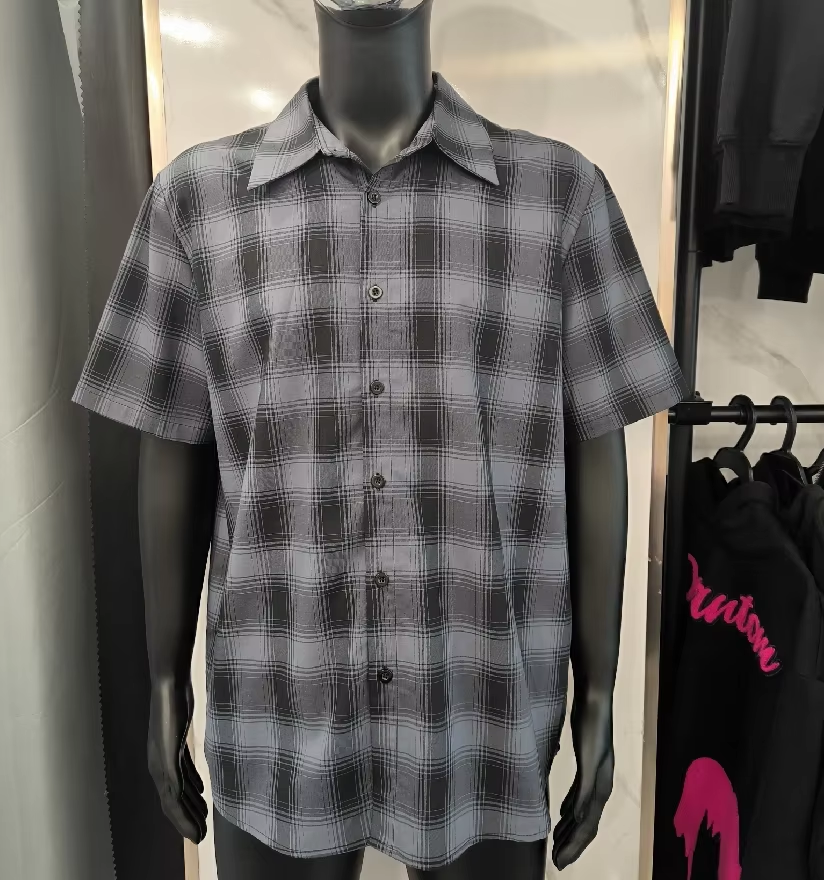
Egy minőségi férfi ingruhának több teljesítményméretet is figyelembe kell venni. Akár vezetői gardróbot épít, akár üzleti megjelenését fejleszti, azoknak a tényezőknek a megismerése, amelyek a legnagyobb jelentőséggel bírnak, biztosítja, hogy férfi ingruhája választása mérhető szakmai értéket hozzon. Ez az útmutató a kritikus teljesítménymutatókat vizsgálja, amelyek elválasztják az átlagos férfi ingruhákat a kiváló minőségűekről.
Anyagminőség és összetétel
Természetes rostok előnyei szakmai környezetben
Egy férfi ingruhában használt anyag alapja meghatározza annak tartósságát, kényelmét és professzionális megjelenését. A prémium minőségű természetes rostok – például a gyapjú, a pamut és a selyem – alkotják a magas teljesítményű férfi ingruhák építésének gerincét. A gyapjú továbbra is az üzleti ruhák anyagának aranystandardja, mert természetes hőszabályozást, gyűrődésállóságot és kiváló drapériát biztosít. Egy jól megépített férfi ingruha, amely 100%-os gyapjúból vagy gyapjúkeverékből készül, egész nap megtartja formáját a munkanapon, és ellenáll a gyűrődéseknek a kihívásokat jelentő irodai környezetben.
A férfi ingruhában az ing rész pamuttartalma lélegzést biztosít és kényelmet nyújt hosszabb időn át tartó viselés során. Az optimális férfi ingruha természetes rostokat kombinál pontos szövésmintákkal, amelyek megerősítik a szerkezeti integritást. A prémium minőségű férfi ingruhákba beépített lenkeverékek javított gyűrődésállóságot biztosítanak, így ideálisak azok számára, akik gyakran utaznak vagy nagy nyomás alatt álló környezetben dolgoznak, ahol a megjelenésnek mindig kifogástalanul kell maradnia.
A szálak száma és a szövés sűrűsége figyelembe vétele
A szálak száma és a szövés sűrűsége közvetlenül befolyásolja, hogy egy férfi ingkostüm milyen jól teljesít a valós üzleti körülmények között. A magasabb szálak száma az inganyagokban puha tapintást és hosszabb élettartamot eredményez, bár a túlzottan magas szálak száma nem mindig garantál jobb teljesítményt. Egy minőségi férfi ingkostüm általában 80 és 120 közötti szálak számot tartalmaz, ami optimális egyensúlyt biztosít a kényelem és a tartósság között. A szorosabb szövés a kabátanyagokban biztosítja, hogy a férfi ingkostüm megtartsa strukturált alakját, és ellenálljon a gyapjasodásnak vagy az anyagromlásnak.
A gyártási módszer ugyanolyan fontos – egy férfi ingruhát egyszeres szálvastagságú anyagból készítve kiváló simaságot érünk el, míg a kétszeres szálvastagságú kivitel további erősségét biztosítja a nagy igénybevételnek kitett területeken. A prémium minőségű férfi ingruhák sűrű szövésű anyagai csökkentik a gyűrődések kialakulását, és javítják az általános, professzionális megjelenést, amelyet a vállalati környezetek igényelnek. Az anyagsúly és a szövés egyenletességének tesztelése segít ellenőrizni, hogy a férfi ingruha teljes élettartama során egyenletesen fog működni.
Illeszkedés pontossága és szabászati szabványok
Arányos méretek és alaksiluett illeszkedés
A megfelelő illeszkedés bármely férfi ingruhánál a legfontosabb teljesítménytényezők egyike. A tökéletes arányokkal rendelkező férfi ingruha figyelmet szentel a részleteknek és professzionális kompetenciát sugall, még mielőtt bárki szólna. A vállvarratoknak pontosan a természetes vállvonalra kell illeszkedniük, és a kézfej hosszának úgy kell lennie, hogy az ingujj kb. fél hüvelyknyi része kilásszon a zakóujjból. Az ideális férfi ingruha tiszta vonalat mutat a válltól a csípőig, elkerülve a felesleges anyag gyűrődését vagy feszülését a mellkas fölött.
A prémium férfi ingöltöny kabátjának hossza természetes testtartásnál a kéz kb. 80%-át fedje le. A minőségi férfi ingöltöny nadrágja a cipő tetején enyhén törjön meg, gyűrődés vagy vonszolódás nélkül. A jól szabott férfi ingöltöny, amely betartja ezeket az arányossági szabványokat, kiváló teljesítményt nyújt üzleti megbeszéléseken, prezentációkon és ügyfélinterakciók során. Az egyéni szabás fokozza a férfi ingöltöny teljesítményét, mivel minden méretet az egyén testméreteihez igazít, nem pedig szabvány méretekre hagyatkozik.
Alapvető Illeszkedési Területek és Mozgástartomány
Egy férfi ingruhában a mellkasi illeszkedés drámaian befolyásolja az érzékelhető kényelmet és a megjelenést is. Egy férfi ingruhának kb. 5 cm szabad teret kell biztosítania a mellkas körül, hogy kényelmesen mozoghasson benne, miközben nem akadályozza a vérkeringést. Egy megfelelően működő férfi ingruhában a hónalj mélysége elegendő teret biztosít a karok mozgásához anélkül, hogy felesleges anyagot hagyna a hónalj alatt. Az ingruha kabátjában a derék szűkítése vonzó alakot eredményez, miközben fenntartja a kényelmet ülés közben és hosszabb időn át viselés esetén.
A mellénykáró szélességének aránya jelentősen befolyásolja, hogy egy férfi ingruhában mennyire illik az adott testalkathoz és arcformához. Egy túl széles vagy túl keskeny mellénykáróval ellátott férfi ingruha összeboríthatja az egész vizuális egyensúlyt. A mozgás tesztelése kulcsfontosságú üzleti tevékenységek során – ülés értekezleteken, nyúlás konferenciaterem asztal fölött, hosszabb ideig tartó állás – felfedi, hogy a férfi ingruha ténylegesen jól működik-e a valós munkahelyi helyzetekben. A minőségi férfi ingruha varrás ezeket a dinamikus használati módokat is figyelembe veszi, nem csupán a statikus megjelenést prioritizálja.
Felépítés tartóssága és karbantartási teljesítménye
Varratminőség és belső felépítés
Egy férfi ingruhában az interior építés elárulja, hogy tartósan készült-e, vagy csak ideiglenes használatra tervezték. Egy nagy teljesítményű férfi ingruha megerősített varratokat tartalmaz a terhelés alatt álló pontokon – különösen a hónaljban, az oldalvarratoknál és a nadrág belső varratánál. A minőségi férfi ingruhák mellrészében teljes kárpitozás biztosítja a szuperior formátartást és élettartamot a részleges kárpitozáshoz vagy ragasztott alternatívákhoz képest. Egy professzionális férfi ingruhában a kiegészítő anyag stabilnak és reagálóképesnek kell érezni, hogy megőrizze alakját ismételt viselés és tisztítás után.
A prémium minőségű férfi ingkostümök kézzel készített varrásai a kiváló mesteremberi készséget és a hosszú élettartamot jelezik. Egy férfi ingkostüm, amelynek gomblyukai megfelelően készültek, a gombok rögzítése megerősített, és a fonalak szilárdan vannak rögzítve, megbízhatóan működik az egész hasznos élettartama során. A belső varratok, a szegélyek varrásminősége és a szerkezeti részletek egységes kivitelezése ellenőrzése segít eldönteni, hogy egy férfi ingkostüm valódi értéket képvisel-e, vagy csupán látszólagos minőséget nyújt.
Tisztítás, tárolás és élettartam-optimalizálás
A megfelelő karbantartás közvetlenül befolyásolja, mennyire hosszú ideig működik egy férfi inges öltöny csúcsformában. Egy üzleti színvonalú férfi inges öltönyt szakmai száraztisztításra kell vinni kb. öt–hét viselés után, nem minden egyes használat után. Egy jól karbantartott férfi inges öltöny akár öt–hét évig is megbízhatóan használható, így a megfelelő gondozás elengedhetetlen befektetési szempont. A minőségi vállfákra való helyezés, valamint a közvetlen napfénytől és nedvességtől való tárolás megőrzi egy férfi inges öltöny szerkezeti integritását és színegyensúlyát.
Egy férfi ingruhában használt anyag összetétele meghatározza a speciális ápolási igényeket, és befolyásolja az általános élettartamát. A gyapjúalapú férfi ingruhák anyagai általában jobban viselik a szakmai száraztisztítást, mint a pamutdomináns keverékek. Rendszeres, enyhe vasalás vagy gőzölés a szakmai tisztítások között meghosszabbítja egy minőségi férfi ingruha élettartamát. Az ilyen karbantartási igények megértése segíti a szakembereket abban, hogy kiszámítsák egy férfi ingruha beruházás teljes tulajdonosi költségét, és ennek megfelelően tervezzenek.
Színválasztás és szakmai sokoldalúság
Üzleti környezetben elvárt színek
A színválasztás közvetlenül befolyásolja, hogy egy férfi ingruhában milyen hatékonyan teljesít különböző üzleti helyzetekben. A sötétkék és a szürke alapszínek a legbiztonságosabbak egy sokoldalú férfi ingruha-gyűjteményhez, mivel professzionális hitelességet biztosítanak minden iparágban és szervezeti kultúrában. Egy közepesen szürke férfi ingruha rugalmasságot nyújt üzleti-köznapias környezetekben is, miközben megtartja a formális státuszát. A világos színű férfi ingruhák magasabb karbantartási igényt támasztanak, és legjobban teljesítenek meleg időjárású üzleti környezetekben, ahol a hagyomány ezt megengedi.
A férfiaknak szánt inges öltöny és az ing színének kölcsönhatása határozza meg az általános professzionális benyomást. Egy klasszikus kék férfiinges öltöny jól kombinálható fehér, világoskék vagy finoman mintás ingekkel. Egy férfiinges öltöny hatékonysága részben attól függ, hogy milyen kiegészítő ingeket választunk hozzá – olyanokat, amelyek hangsúlyozzák, nem vonják el a figyelmet. Az iparágspecifikus színvárakozások megértése segít abban, hogy a férfiinges öltöny maximális hitelességet és professzionális hatást érjen el.
Évszakhoz igazíthatóság és anyagsúly-egyensúly
Egy férfi ingruhának a súlya megfelelőnek kell lennie az évszakhoz kapcsolódó üzleti igényeknek. A könnyű gyapjúkeverékek javítják egy férfi ingruha nyári teljesítményét, míg a nehezebb szerkezetek jobban alkalmazkodnak a téli környezethez. Egy gondosan összeállított professzionális gardrób többféle súlyú és színű férfi ingruhát tartalmaz, hogy biztosítsa a teljes évben való hatékony használatot. Egy férfi ingruha sokoldalúsága megnöveli gyakorlati hasznosságát és maximalizálja a beruházás megtérülését minden üzleti évszakban. 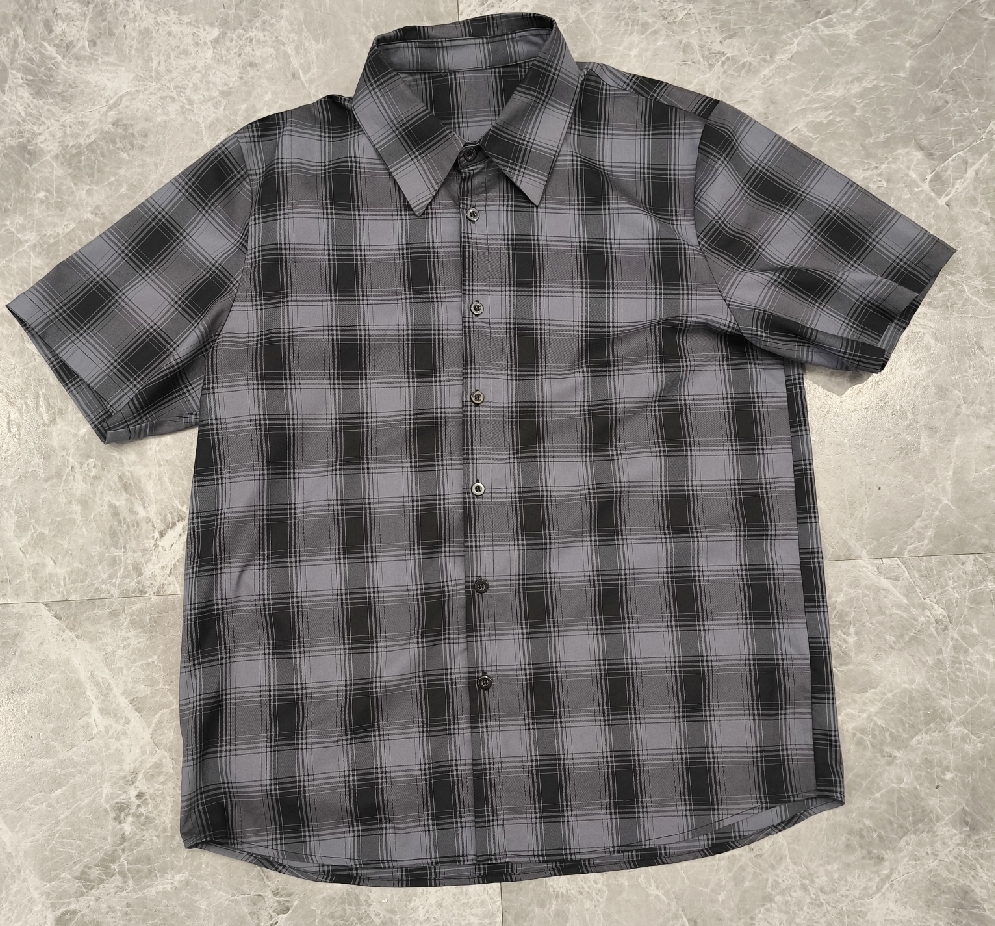
GYIK
Melyik konkrét anyagszázalék biztosítja a legjobb teljesítményt férfi ing ruhában?
A legjobban teljesítő férfi ingruhák általában 80–100% természetes rostot tartalmaznak, a maradék százalékot pedig a tartósság és gyűrődésállóság érdekében szintetikus rostok teszik ki. A tiszta gyapjú vagy kis mennyiségű poliészterrel kevert gyapjúkeverékek kiváló teljesítményjellemzőket biztosítanak. Egy minőségi férfi ingruha ötvözi a tiszta rostok magas minőségét a gyakorlatias karbantartási szempontokkal, mivel egyes szintetikus összetevők valójában növelik a mindennapi használat során tapasztalható tartósságot anélkül, hogy kompromisszumot kötnének a professzionális megjelenéssel, amelyet a vállalati környezetek igényelnek.
Milyen gyakran kell profi tisztítást igénybe vennem egy férfi ingruhán?
Egy professzionális minőségű férfi ingkostümöt kb. öt–hét viselés után száraztisztításra kell vinni, hogy optimális megjelenése és teljesítménye megmaradjon. Ez a tisztítási gyakoriság megakadályozza a túlzott anyagkopást, miközben lehetővé teszi az anyagszálak helyreállását a tisztítások között. Intenzív használat esetén – például gyakori utazás vagy magas páratartalmú környezet – gyakoribb tisztítás szükséges a férfi ingkostüm optimális teljesítményének fenntartásához.
Javítható-e a rosszul illeszkedő férfi ingkostüm teljesítménye átalakítással?
Szakértő varrómester jelentősen javíthatja a rosszul illeszkedő férfi ingkostüm teljesítményét, például a mellkas szélességének, az ujjhossznak, a vállak helyzetének és a nadrág hosszának finomhangolásával. Azonban az átalakítások nem orvosolhatnak alapvető anyagminőségi hiányosságokat vagy extrém méreteltéréseket. Egy minőségi férfi ingkostüm, amely jó alapépítéssel és ésszerű arányeltérésekkel rendelkezik, kiválóan reagál a szakmai átalakításra, ami drámaian javítja üzleti teljesítményét és professzionális hatását.