
 EN



The fashion industry continuously evolves, and mens jeans remain one of the most dynamic segments within contemporary clothing markets. Designers and manufacturers respond to shifting consumer preferences by reimagining silhouettes, fabrics, and construction methods that define modern mens jeans. Understanding how mens jeans adapt to these changing preferences reveals the strategic thinking behind each seasonal collection and the technological innovations that drive the denim industry forward.
Mens jeans have transformed significantly from their workwear origins into versatile fashion staples that balance tradition with contemporary aesthetics. Today's consumers expect mens jeans to deliver comfort, durability, and style simultaneously. This convergence of demands has forced designers to reconsider every aspect of mens jeans production, from initial concept through final retail presentation. The result is a market where mens jeans reflect broader cultural movements, social values, and individual identity expression in ways previously unimaginable.
Silhouette Evolution in Mens Jeans
From Slim Fits to Oversized Styles
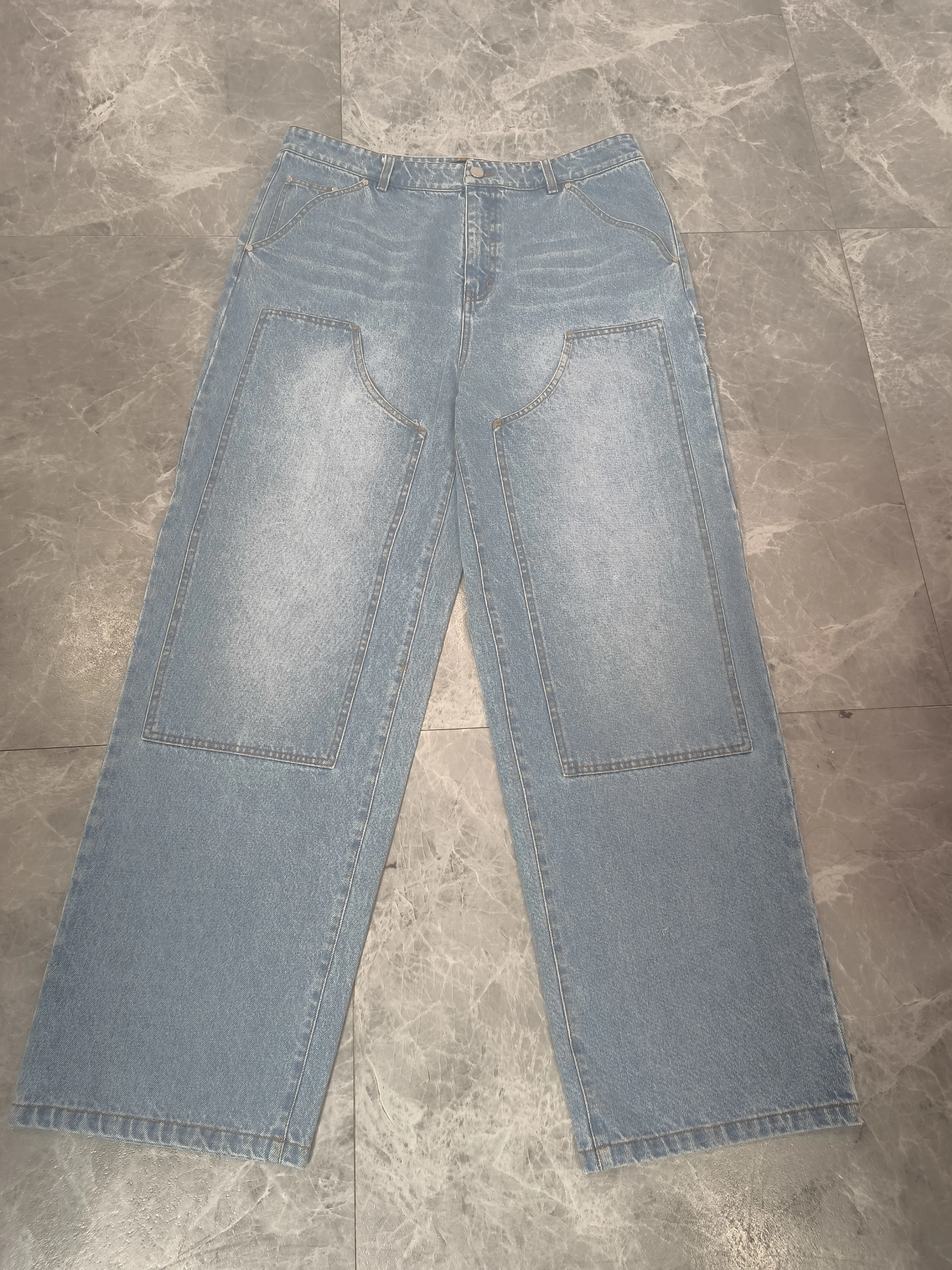
Mens jeans silhouettes have undergone dramatic transformations over the past two decades. The early 2000s favored extremely slim fits, but mens jeans now encompass a diverse range of proportions that appeal to different body types and aesthetic preferences. Oversized cuts, wide-leg designs, and relaxed fits have gained significant traction as consumers reject one-size-fits-all fashion paradigms. This diversification means manufacturers must produce mens jeans in multiple silhouettes simultaneously to satisfy varied market segments. The shift reflects a broader cultural movement toward comfort and personal expression in mens jeans styling.
Waistband and Rise Variations
Mens jeans design now includes deliberate variations in waistband heights and rise measurements that cater to different body proportions and styling philosophies. High-rise mens jeans appeal to consumers seeking vintage-inspired aesthetics, while mid-rise and low-rise options remain popular among those preferring contemporary silhouettes. Waistband construction has also evolved, with designers experimenting with elastic inserts, contoured cuts, and strategic darting to enhance comfort without sacrificing visual appeal. These nuanced changes in mens jeans construction demonstrate how designers use technical modifications to adapt mens jeans to modern lifestyle requirements and fashion sensibilities.
Fabric Technology and Material Innovation
Sustainable and Alternative Fabrics
Environmental consciousness has fundamentally reshaped how manufacturers approach mens jeans production. Modern mens jeans increasingly incorporate sustainable fabrics, recycled materials, and innovative alternatives that reduce water consumption and chemical use. Designers now develop mens jeans using organic cotton, recycled polyester blends, and laboratory-grown materials that align with consumer values around sustainability. These fabric innovations don't compromise the characteristic durability that defines mens jeans; instead, they enhance performance while addressing ecological concerns. The evolution of mens jeans materials reflects manufacturing responsiveness to consumer activism and regulatory pressures surrounding sustainable fashion practices.
Stretch and Comfort Enhancements
Elastane and other synthetic fibers have revolutionized mens jeans comfort levels without diminishing the iconic denim aesthetic. Modern mens jeans frequently incorporate strategic stretch percentages that provide freedom of movement while maintaining shape retention. Designers carefully balance elasticity levels across different areas of mens jeans—concentrating stretch in the thigh and seat for comfort while reducing it in the legs for structural integrity. Advanced weaving techniques allow manufacturers to integrate stretch into mens jeans while preserving authentic denim character and aesthetic. This technical refinement has transformed mens jeans from rigid garments into flexible essentials that accommodate active lifestyles and dynamic movement patterns.
Finishing Techniques and Aesthetic Details
Distressing and Vintage-Inspired Effects
Aesthetic treatments have become central to how mens jeans communicate style narratives and brand positioning. Distressing, fading, and intentional wear patterns distinguish contemporary mens jeans collections and signal design sophistication. Designers create aged appearances through various techniques including laser treatments, enzyme washing, and strategic abrading that makes new mens jeans appear authentically vintage. These finishing methods allow consumers to acquire pre-styled mens jeans that align with contemporary fashion narratives without investing months in natural wear. The strategic application of distressing techniques has become so refined that premium mens jeans collections now feature designer-specific signatures recognizable to fashion-conscious consumers.
Hardware and Closure Innovations
Functional details significantly impact both aesthetics and wearability in modern mens jeans. Button styles, zipper mechanisms, and rivet placements have evolved from purely utilitarian components into design elements that define brand identity and mens jeans quality perception. Some designers experiment with hidden hardware, minimalist closures, or alternative fastening systems that create distinct visual profiles in their mens jeans offerings. These details appear subtle but profoundly influence how consumers experience and perceive mens jeans quality and attention to craftsmanship. Premium mens jeans often feature Japanese hardware, reinforced stitching patterns, and specialized hardware sourcing that justifies higher price positioning and appeals to discerning consumers.
Color Palettes and Seasonal Adaptations
Beyond Traditional Indigo
Contemporary mens jeans extend far beyond traditional indigo blue into diverse color spectrums that reflect seasonal trends and cultural influences. Designers now present mens jeans in black, gray, brown, olive, and unconventional colors including pastel tones and saturated hues. Seasonal collections deliberately shift mens jeans color presentations to align with broader fashion forecasts and consumer preference cycles. Winter collections typically feature darker, richer tones while spring and summer introduce lighter washes and secondary colors in mens jeans offerings. This strategic color management helps retail partners optimize inventory and positions mens jeans as year-round essentials rather than limited-season basics.
Wash and Tone Experimentation
Wash treatments define much of the personality and perceived value in mens jeans offerings. Raw, sanforized options appeal to traditionalists while heavily processed washes attract fashion-forward consumers. Designers employ multiple washing techniques including stone washing, bleach treatments, enzyme processing, and acid washing to create distinct aesthetic personalities across mens jeans collections. Advanced color technologies allow manufacturers to achieve complex multi-tone effects that suggest authentic wear patterns without actual deterioration. The sophistication of wash treatments in premium mens jeans has elevated this technical process into an art form where subtle variations communicate brand positioning and appeal to specific consumer demographics.
FAQ
What factors most influence mens jeans design decisions?
Fashion forecasting, consumer demographic research, and lifestyle trend analysis drive mens jeans design decisions. Designers analyze social media, street style photography, and retail data to identify emerging preferences. Sustainability concerns, comfort expectations, and cultural movements significantly shape how designers approach mens jeans collections. Manufacturing capabilities, material availability, and supply chain considerations also influence final design outcomes in mens jeans production.
How frequently do mens jeans styles change?
Mens jeans collections typically update seasonally, with spring/summer and fall/winter presentations introducing new silhouettes and treatments. However, core styles remain relatively stable as consumers value timeless reliability in mens jeans basics. Trend-driven pieces within mens jeans collections rotate more frequently while foundational silhouettes persist across multiple seasons. Premium brands maintain consistent design languages while strategically evolving details to maintain relevance without alienating established customer bases.
Why do sustainable practices matter in mens jeans manufacturing?
Denim production historically consumes substantial water and chemicals, making sustainability critical for environmental responsibility. Modern consumers increasingly demand mens jeans produced through eco-conscious methods. Brands investing in sustainable mens jeans practices reduce environmental impact while appealing to values-driven consumers willing to invest premium prices. Regulatory pressures and industry initiatives further accelerate adoption of sustainable practices throughout mens jeans manufacturing globally.