
 EN




Finding the perfect pair of mens jeans requires understanding how multiple factors interact with your unique body type. Whether you have an athletic build, a taller frame, or a wider midsection, the way mens jeans fit your body depends on specific measurements, fabric properties, and design features that go far beyond simple size numbers. This comprehensive guide explores the critical factors that influence how mens jeans sit on different body types, helping you make informed purchasing decisions and discover styles that truly work for your physique.
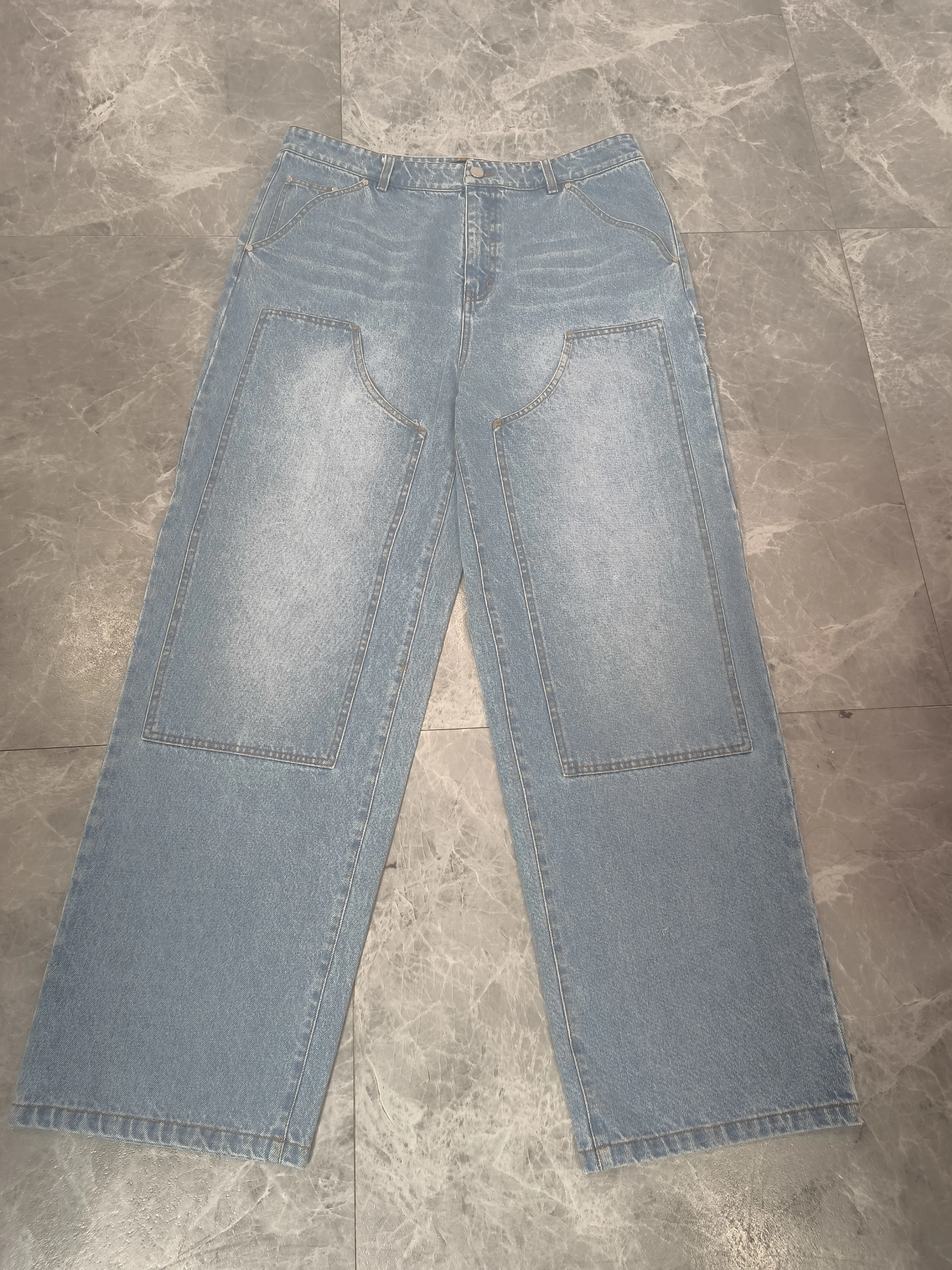
The fit of mens jeans is not one-size-fits-all because human body proportions vary dramatically. Inseam length, rise measurement, waist circumference, thigh width, and knee taper all contribute to how comfortably and flattersingly mens jeans will fit your frame. Understanding these dimensions and how they interact with fabric composition and cut style empowers you to select mens jeans that enhance your appearance and provide the comfort you deserve throughout your day.
Body Type and Jeans Rise Selection
Understanding Rise Height for Different Frames
The rise of mens jeans refers to the distance from the crotch seam to the top waistband. For taller individuals with longer torsos, a mid-rise or high-rise option works better than low-rise mens jeans, which can create uncomfortable gaps or expose too much skin. Men with shorter torsos typically find that low-rise or mid-rise mens jeans provide better proportional fit without bunching at the waist. The rise measurement directly affects how mens jeans sit on your hips and whether the waistband aligns with your natural waist or falls lower on your hips.
Rise Impact on Comfort and Posture
When rise height mismatches your body proportions, mens jeans can cause discomfort during sitting, bending, or physical activity. A proper rise ensures that mens jeans stay securely in place without requiring constant adjustment. Men with athletic builds or muscular thighs often benefit from mens jeans with a higher rise paired with a roomier thigh to prevent excessive pulling at the crotch seam. Understanding your ideal rise measurement is fundamental to achieving mens jeans that feel as good as they look.
Inseam Length and Leg Proportions
Calculating Your Perfect Inseam
Inseam length is the measurement from the inner thigh to the ankle, and it varies significantly among individuals of different heights. Mens jeans with incorrect inseam length either bunch awkwardly at the ankles or show too much skin. Men between five feet eight inches and six feet tall typically wear inseam lengths between thirty and thirty-two inches in mens jeans. However, body proportions differ—two men of identical height may need different inseam measurements in mens jeans depending on their torso-to-leg ratio. Accurate inseam measurement ensures mens jeans break naturally at your shoe, creating a balanced visual line.
How Inseam Affects Overall Silhouette
When mens jeans break correctly at your ankle, they create a polished appearance that works across casual and professional settings. Too-long mens jeans create a sloppy appearance and wear faster at the hem due to constant dragging. Too-short mens jeans expose excessive ankle and can make your legs appear disproportionately short. The right inseam for your mens jeans allows your shoes to sit naturally, creating a streamlined silhouette that flatters your frame regardless of your body type.
Waist Size and Thigh Fit Considerations
Balancing Waist and Thigh Measurements
Men with athletic or muscular builds often struggle finding mens jeans that fit both the waist and thighs comfortably. Many standard mens jeans designs taper too aggressively through the thigh, creating uncomfortable tightness or restriction. The relationship between waist circumference and thigh width is critical when selecting mens jeans for your body type. Men with larger thighs may need to size up in waist to accommodate thigh roominess, then look for mens jeans with tapering that creates definition without excessive tightness. Conversely, slimmer men benefit from mens jeans with tighter thigh fits that avoid excess fabric bunching.
Fabric Stretch and Mobility
Modern mens jeans often incorporate elastane or spandex blends that provide stretch, making fit more forgiving across different body types. A two to three percent elastane addition to mens jeans allows the fabric to move with your body during daily activities while maintaining shape retention. Men with athletic builds particularly benefit from stretch-enhanced mens jeans because the fabric accommodates muscular thighs without requiring a larger waist size. However, excessive stretch in mens jeans can lead to sagging or loss of structure if the fabric is too thin. Finding mens jeans with the right balance of stretch ensures comfort and longevity.
Fabric Composition and Fit Stability
Denim Weight and Body Type Considerations
The weight of denim fabric significantly influences how mens jeans fit across different body types. Lightweight denim, typically ten to twelve ounces, drapes more loosely and works well for men in warmer climates or those preferring a relaxed aesthetic. Medium-weight denim, between thirteen and fifteen ounces, provides structured support that suits most body types and is the industry standard for mens jeans manufacturing. Heavier denim, above sixteen ounces, offers maximum durability and maintains shape but can feel restrictive for men with larger frames. Selecting mens jeans with appropriate weight ensures both comfort and visual flattery for your specific physique.
Weave Patterns and Fit Retention
The weave pattern in mens jeans affects how the fabric moves and recovers after wear. Tighter weaves in mens jeans resist sagging and maintain shape better, especially important for men with heavier frames or those who wear mens jeans for extended periods. Looser weaves create a softer hand feel and better drape, suiting men who prioritize comfort. The combination of weave pattern, weight, and fiber content determines whether mens jeans will maintain consistent fit throughout the day or gradually sag and shift.
FAQ
How do I measure my inseam correctly for mens jeans?
To measure your inseam for mens jeans, wear shoes you plan to pair with the jeans and measure from your inner thigh to the top of your shoe heel. For mens jeans, you can also reference your current jeans by measuring the inner seam from crotch to hem. Most retailers provide size charts for mens jeans with standard inseam lengths corresponding to different heights, though individual proportions may require adjustments. Trying mens jeans on before purchasing ensures the inseam breaks naturally at your ankle.
What rise height is best for mens jeans if I have a longer torso?
Men with longer torsos typically benefit from mid-rise or high-rise mens jeans that provide adequate coverage without creating uncomfortable gaps between the top of the mens jeans and your natural waistline. High-rise mens jeans, with rises of eleven to thirteen inches, work particularly well for taller frames and create a balanced proportion between torso and legs. Low-rise mens jeans below nine inches can expose too much skin on longer-torso frames and create visual imbalance. Trying different rise options helps you identify which style in mens jeans feels most comfortable and flattering for your body proportions.
Does fabric stretch matter when choosing mens jeans for my body type?
Fabric stretch in mens jeans becomes increasingly important for men with athletic or muscular builds who need additional room without oversizing the waist. Elastane-blend mens jeans containing two to three percent stretch provide comfort and mobility while maintaining structure and shape. Men with heavier frames also benefit from stretch in mens jeans because it reduces pressure points and increases all-day comfort. However, excessive stretch in mens jeans can compromise durability, so moderate stretch combined with quality denim construction ensures both fit and longevity across different body types.