
 EN



The quality of mens jeans construction directly determines how long your investment will last and perform under regular wear. Many buyers focus solely on fit and style, overlooking the technical aspects that separate durable mens jeans from those that fail prematurely. Understanding mens jeans construction is essential for anyone seeking garments that withstand years of daily use without significant degradation.
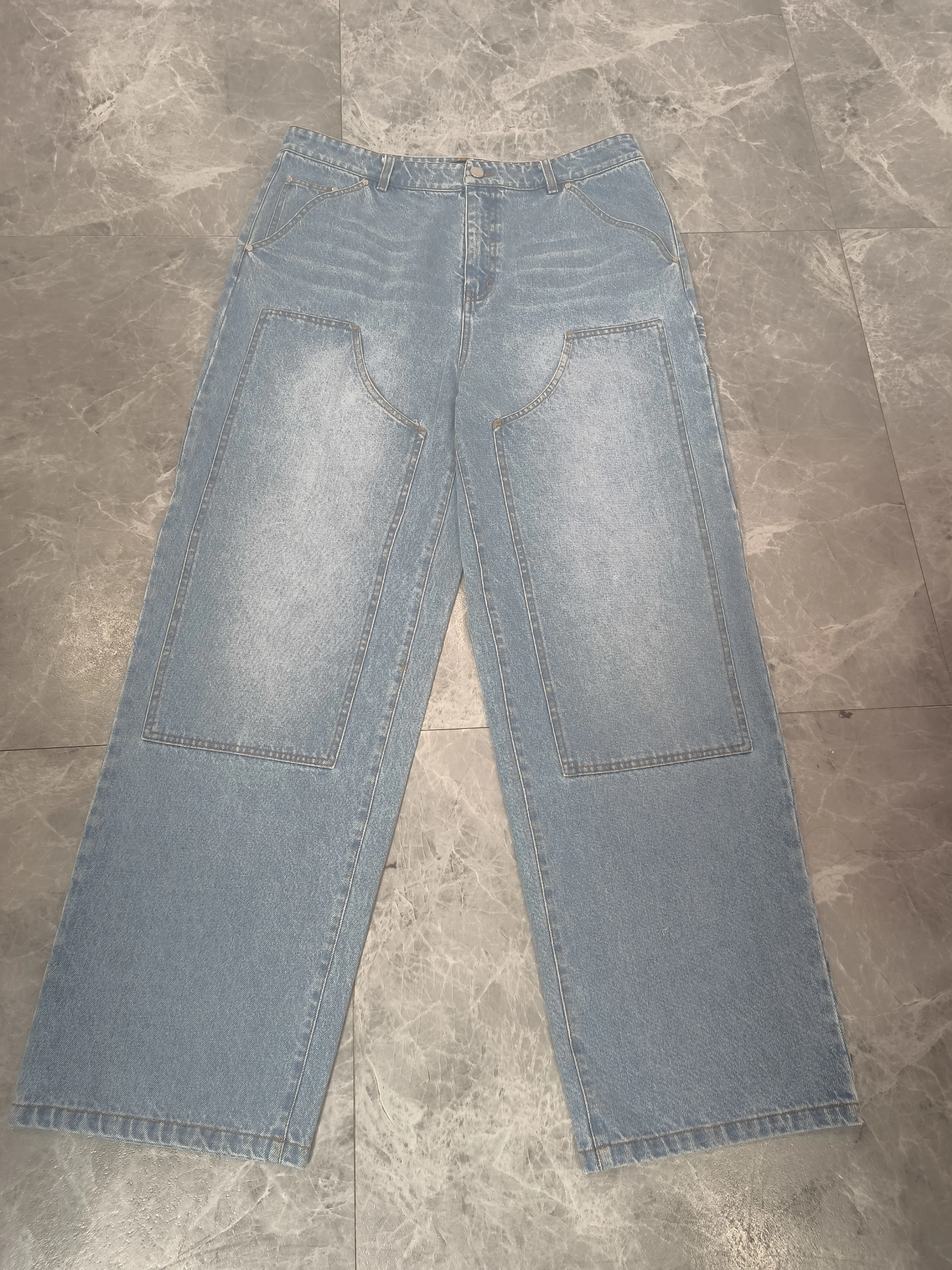
Mens jeans construction involves multiple critical elements working together to create stability and longevity. From the type of thread used to the density of the weave, every component plays a role in determining whether mens jeans will maintain their structure or deteriorate after several months. By examining the fundamentals of mens jeans construction, you can make informed purchasing decisions that deliver genuine value over time.
The Role of Stitching in Mens Jeans Durability
Thread Quality and Stitch Type
Superior mens jeans rely on high-quality polyester or nylon thread that resists breaking under stress. The type of stitch used in mens jeans construction also matters significantly. Lock stitches, commonly found in quality mens jeans, create a secure interlocking pattern that prevents unraveling even if individual threads break. In contrast, chain stitches, sometimes used in budget mens jeans, can fail catastrophically when tension is applied.
Bar tacking represents another critical stitching element in mens jeans construction. This reinforced stitching is applied at stress points like pocket corners, zipper bases, and belt loops. Premium mens jeans feature dense bar tacking patterns that distribute stress across multiple threads, preventing the blowout failures common in poorly constructed mens jeans. The number of stitches per inch directly correlates with the durability of mens jeans during extended wear.
Seam Placement and Reinforcement
Seam placement in mens jeans construction affects both comfort and longevity. Well-constructed mens jeans position seams away from areas of maximum friction, such as the inner thigh and crotch region. This strategic placement reduces wear rates and extends the lifespan of mens jeans significantly. Double-stitched or triple-stitched seams in premium mens jeans create layers of redundancy that maintain garment integrity even after partial thread failure.
The finish of seams in mens jeans construction influences long-term stability as well. Surged or serged seams, where raw fabric edges are sealed with thread, prevent fraying and maintain the structural integrity of mens jeans over time. When examining mens jeans, inspect whether seams are buried inside the garment or exposed on the surface, as internal seam placement typically indicates more professional mens jeans construction standards.
Fabric Weight and Weave Density Effects
Denim Weight Standards
The weight of denim fabric used in mens jeans construction directly impacts durability and longevity. Measured in ounces per square yard, fabric weight determines how resistant mens jeans are to tearing, fading, and structural breakdown. Light-weight denim under 10 ounces per square yard, often used in budget mens jeans, offers minimal long-term wear stability. Mid-weight denim between 10 and 14 ounces provides a balance suitable for everyday mens jeans, while heavyweight denim exceeding 14 ounces represents the gold standard for robust mens jeans construction.
Heavyweight mens jeans construction creates a dense fabric matrix that resists punctures, snagging, and abrasion. Workers, contractors, and active individuals benefit from this superior fabric weight in mens jeans because it withstands harsh conditions and frequent movement. The investment in heavyweight mens jeans pays dividends through extended wear periods and reduced replacement frequency compared to lightweight alternatives.
Weave Pattern and Fiber Consistency
The weave pattern employed in mens jeans construction determines how fibers interact and support each other. Tight twill weaves, the standard in quality mens jeans, create a diagonal ridge pattern that distributes stress across multiple fiber paths. This construction method in mens jeans prevents localized stress concentration that could lead to tears or holes. Looser weaves, sometimes found in cheaper mens jeans, allow more movement between fibers and increase vulnerability to damage.
Fiber consistency within mens jeans construction affects how evenly stress distributes across the garment. Premium mens jeans use long-staple cotton fibers that create a more uniform, robust fabric structure. Short-staple fibers in budget mens jeans create weak points and inconsistencies that fail prematurely under stress. The spinning process used in creating yarn for mens jeans construction determines fiber alignment and strength characteristics that directly influence long-term wear stability.
Hardware and Component Integration
Zipper and Button Attachment Methods
The hardware integration in mens jeans construction significantly impacts overall durability. Zippers in quality mens jeans are secured using reinforced stitching that distributes pull forces across a wider area of fabric. When zippers fail in poorly constructed mens jeans, the failure typically stems from inadequate attachment rather than defective zipper components. Double-stitched zipper installations in premium mens jeans prevent the zipper tape from separating from the waistband during normal use.
Button attachment methods in mens jeans construction reveal the overall quality standards. Plastic buttons secured with four-hole stitching patterns in durable mens jeans distribute force more effectively than two-hole attachments. Metal buttons, common in higher-end mens jeans, provide superior longevity and aesthetic appeal compared to plastic alternatives. The thread used for button attachment in quality mens jeans typically matches or exceeds the strength of seam thread throughout the garment.
Waistband and Pocket Construction
Waistband construction in mens jeans directly affects how the entire garment maintains its shape and position. Structured waistbands in quality mens jeans incorporate interfacing materials that resist stretching and deformation. This construction method in mens jeans prevents the waistband from losing elasticity or developing permanent wrinkles after repeated washing and wearing. Pockets represent another critical element of mens jeans construction because they endure significant stress from hands, keys, wallets, and phones.
Deep pocket construction in durable mens jeans features reinforced stitching and double-layer fabric at the pocket bottom to resist tearing. The pocket placement in well-engineered mens jeans balances accessibility with structural integrity. Premium mens jeans often include hidden reinforcement layers at pocket openings that extend the functional lifespan compared to standard mens jeans construction. These design choices reflect manufacturers' commitment to long-term wear stability rather than short-term cost reduction.
FAQ
How can I identify quality mens jeans construction before purchase?
Examine the stitching closely by looking for even, consistent stitch patterns with approximately 8-10 stitches per inch in quality mens jeans. Feel the fabric weight and check for dense bar tacking at stress points like pocket corners and zipper bases. Read product specifications for fabric weight in ounces per square yard, and prioritize mens jeans listed at 13 ounces or higher. Check for double or triple stitching on seams and reinforced waistband construction that indicates quality mens jeans manufacturing standards.
Does mens jeans construction vary significantly between price ranges?
Yes, significant differences exist in mens jeans construction across price tiers. Budget mens jeans often use light-weight denim with single stitching and minimal reinforcement, while premium mens jeans feature heavyweight fabric, multiple thread passes, and extensive bar tacking. Mid-range mens jeans provide acceptable durability for casual wear, whereas expensive mens jeans incorporate heritage construction techniques and superior material quality. Understanding these distinctions helps buyers determine whether premium mens jeans construction justifies the additional investment for their specific use case.
How does mens jeans construction affect washing and maintenance requirements?
Well-constructed mens jeans with tight weaves and quality stitching tolerate aggressive washing better than poorly made alternatives. However, even durable mens jeans benefit from cool-water washing and air drying to preserve fabric integrity and color. The construction quality in mens jeans determines whether the garment maintains its shape and color retention through dozens of wash cycles. Superior mens jeans construction essentially reduces maintenance sensitivity and extends the practical lifespan compared to standard mens jeans.