
 EN
EN



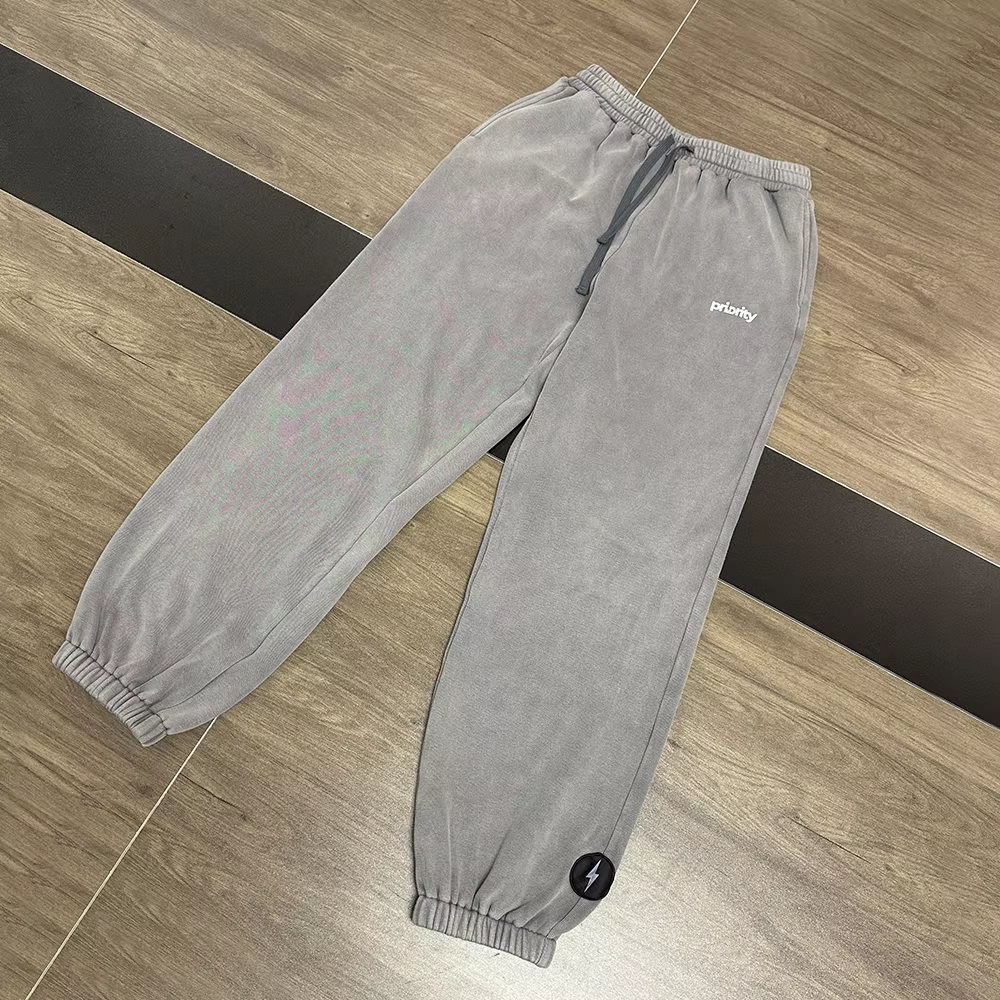
The evolution of mens sport pants reflects decades of athletic innovation and biomechanical research. Modern mens sport pants are engineered to support specific training demands, whether an athlete trains for endurance running, high-intensity interval work, strength conditioning, or mixed functional fitness. Understanding how mens sport pants adapt to these varied needs helps athletes select appropriate gear that enhances performance, prevents injury, and provides the comfort necessary for consistent training. The design principles behind effective mens sport pants go far beyond simple aesthetics or casual comfort, instead addressing core mechanical and physiological requirements of active movement.
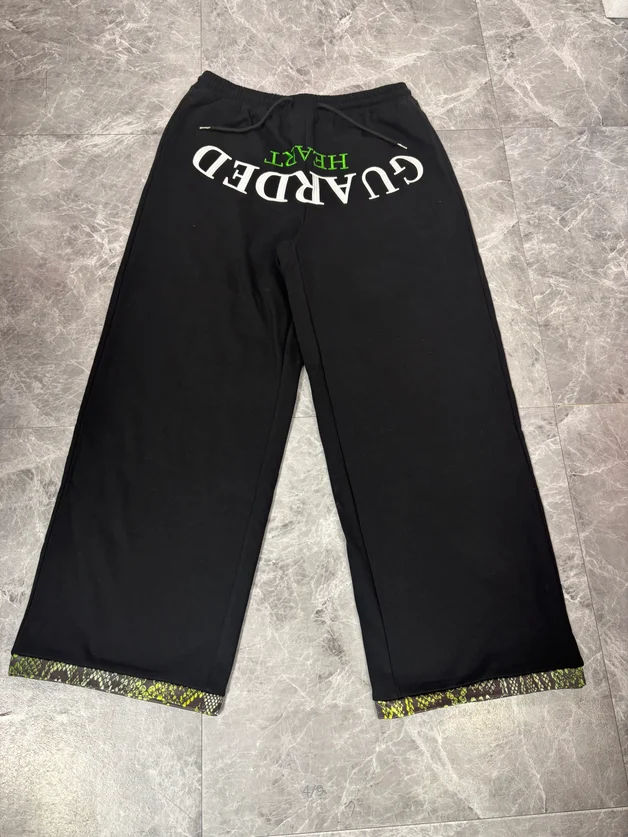
Today's mens sport pants incorporate advanced fabric technologies, strategic seaming patterns, and ergonomic construction methods that directly respond to the physiological demands of specific training modalities. Whether addressing moisture management for cardiovascular activities, unrestricted movement for weightlifting, or thermal regulation for outdoor endurance, mens sport pants design demonstrates how targeted engineering transforms basic apparel into functional performance equipment. This article explores the fundamental design adaptations that make mens sport pants effective across diverse training scenarios and how athletes can evaluate these features for their particular needs.
Fabric Technology and Material Selection in Mens Sport Pants
Moisture Management and Breathability
Effective mens sport pants begin with intelligent fabric selection that addresses moisture dynamics during physical activity. High-performance mens sport pants typically employ synthetic blends that wick perspiration away from the skin surface, allowing rapid evaporation rather than accumulation of sweat. This moisture-management capability proves critical during cardiovascular training, where sustained elevated heart rates generate continuous perspiration that standard cotton fabrics would trap against the body. The best mens sport pants utilize engineered weaves that separate moisture from the inner fabric layer, maintaining comfort across extended training sessions and preventing the chafing and skin irritation associated with wet cotton.
Different training intensities require varying levels of breathability within mens sport pants. High-intensity interval training demands maximal ventilation to support rapid thermoregulation, while strength training sessions may prioritize support and stability over extreme airflow. Quality mens sport pants balance these competing requirements through strategic panel placement, allowing regions prone to excessive heat buildup to employ more porous fabric constructions while maintaining structural integrity in areas requiring stability. This differentiated approach ensures that mens sport pants provide genuine performance benefits rather than generic moderate-performance characteristics across all training scenarios.
Durability and Stretch Technology
Premium mens sport pants incorporate elastane or spandex blends that provide multidirectional stretch while maintaining structural stability under stress. This stretch technology enables full range of motion during complex movement patterns without creating loose, baggy aesthetics that impair performance perception or reduce aerodynamic efficiency. The integration of stretch fibers within mens sport pants construction allows athletes to move naturally through deep squats, dynamic lunges, explosive sprinting, and overhead movements without restriction. Furthermore, quality mens sport pants designed with proper stretch integration resist permanent deformation, maintaining their fitted silhouette through hundreds of wash cycles and extensive training sessions.
Durability considerations in mens sport pants extend beyond simple fabric weight or thickness. Strategic reinforcement in high-stress areas where thighs contact equipment, where waistbands endure repeated tension, and where inseams experience friction during running or jumping directly impacts the lifespan of mens sport pants. Superior construction ensures that mens sport pants withstand the mechanical demands of serious training without premature seam separation, pilling, or elastic degradation that renders them uncomfortable or unusable.
Fit Architecture and Movement Accommodation
Inseam Length and Rise Positioning
The specific fit architecture of mens sport pants directly reflects intended training applications and movement requirements. Endurance-focused mens sport pants typically feature inseam lengths that extend to the ankle, providing coverage that minimizes wind resistance and creates a streamlined silhouette for runners. Conversely, functional fitness and strength training often employ shorter inseams or tapered designs that allow ankle visibility and provide clearance around athletic shoes without excess fabric bunching. The rise positioning in mens sport pants also adapts to training demands—higher rises offer core stability and prevent waistband slipping during dynamic movements, while mid-rise constructions provide greater hip mobility for lifting and floor-based training.
Modern mens sport pants frequently feature adjustable drawstring systems that allow personalized fit customization beyond standard sizing. This adaptability proves valuable because individual anatomy varies significantly, and layering preferences change with seasons or training environments. Quality mens sport pants incorporate reinforced drawstring channels that prevent slipping during extended wear and intense movement, maintaining consistent fit throughout entire training sessions rather than requiring mid-workout adjustment.
Tapered vs. Relaxed Silhouettes
Contemporary mens sport pants design offers multiple silhouette options that serve different athletic purposes and movement requirements. Tapered mens sport pants deliver progressive narrowing from hip through ankle, creating streamlined aesthetics while supporting runners and endurance athletes through reduced fabric resistance. The tapered construction accommodates running-specific biomechanics where excessive fabric volume can cause uncomfortable friction against the legs. Relaxed-fit mens sport pants, by contrast, prioritize unrestricted hip and thigh mobility, making them ideal for strength training, functional fitness, and activities requiring explosive lower-body power.
The selection between tapered and relaxed mens sport pants ultimately depends on predominant training activities and personal movement preferences. Athletes engaging in multiple training modalities may maintain separate pairs of mens sport pants optimized for different purposes rather than compromising with a single intermediate option that performs adequately but excellently in no specific domain.
Specialized Design Features for Performance Enhancement
Pocket Placement and Cargo Solutions
Practical design integration distinguishes truly functional mens sport pants from fashion-focused casual alternatives. Strategic pocket placement in performance mens sport pants considers movement patterns and load-bearing requirements specific to training scenarios. Larger cargo pockets positioned on the thigh work well for outdoor runners who need to carry keys or identification during extended sessions, while minimalist designs eliminate external pockets entirely to reduce bulk and weight. Quality mens sport pants often feature internal security pockets or hidden compartments that accommodate essential items without creating visually distracting external protrusions that interfere with streamlined silhouettes.
The integration of functional pockets within mens sport pants design demonstrates attention to practical athlete needs rather than purely aesthetic considerations. Well-designed cargo systems in performance mens sport pants incorporate reinforced stitching that prevents pocket failure under weight stress, and strategic placement that avoids creating uncomfortable pressure points during movement or extended sitting.
Waistband Engineering and Support Systems
The waistband represents a critical engineering element in functional mens sport pants that directly impacts comfort during dynamic training. High-performance mens sport pants feature reinforced waistbands with internal support panels that prevent rolling, shifting, or excessive movement that distracts from training focus. Elastic integration within mens sport pants waistbands provides custom fit accommodation while maintaining structural integrity without discomfort. Some advanced mens sport pants designs incorporate graduated elastic or strategic seaming that adapts to dynamic abdominal expansion during running or intense cardiovascular effort, preventing restrictive binding that impairs breathing or diaphragmatic function.
The distinction between casual pants and genuinely functional mens sport pants often comes down to waistband sophistication and the underlying engineering that prevents migration or bunching during extended activity. Investment in quality mens sport pants with superior waistband construction pays dividends through improved comfort and reduced attention required to adjust fit during training sessions.
FAQ
How do I select the right mens sport pants for my specific training activities?
Selecting appropriate mens sport pants starts by identifying your primary training activities and the movement patterns they require. Cardiovascular training demands breathable, moisture-wicking mens sport pants with tapered fits that minimize fabric resistance, while strength training benefits from relaxed-fit mens sport pants that accommodate deep squats and dynamic lower-body movements. Consider your climate and training environment—outdoor runners may prioritize thermal regulation and wind resistance in mens sport pants, while indoor gym training allows focus on stretch technology and support features. Testing multiple pairs of mens sport pants under actual training conditions provides the most reliable assessment of fit compatibility with your particular biomechanics and preferences.
What fabric technology matters most in high-performance mens sport pants?
The most important fabric technologies in quality mens sport pants combine moisture-wicking capabilities with multidirectional stretch and durability. Look for synthetic blends that include elastane or spandex for movement accommodation, and weaves specifically engineered for perspiration management rather than simple cotton alternatives. Premium mens sport pants often feature fabric panels strategically positioned in high-heat zones for enhanced breathability, with reinforced or denser fabrics in areas requiring stability. Understanding these technical features helps identify genuine performance improvements rather than marketing terminology used indiscriminately across all mens sport pants categories.
Why do mens sport pants designs vary so significantly between different training modalities?
Mens sport pants designs diverge across training modalities because different activities impose distinct biomechanical demands and physiological requirements that cannot be simultaneously optimized in a single universal design. Running generates repetitive forward-backward motion requiring streamlined silhouettes and tapered inseams in mens sport pants, while functional fitness demands explosive multidirectional movement and unrestricted hip mobility better served by relaxed-fit mens sport pants. Strength training prioritizes stability and core support within mens sport pants design, whereas endurance activities emphasize lightweight construction and maximal ventilation. Recognizing these specialized adaptations helps athletes understand why investing in activity-specific mens sport pants produces superior performance and comfort compared to attempting universal solutions.