
 EN
EN



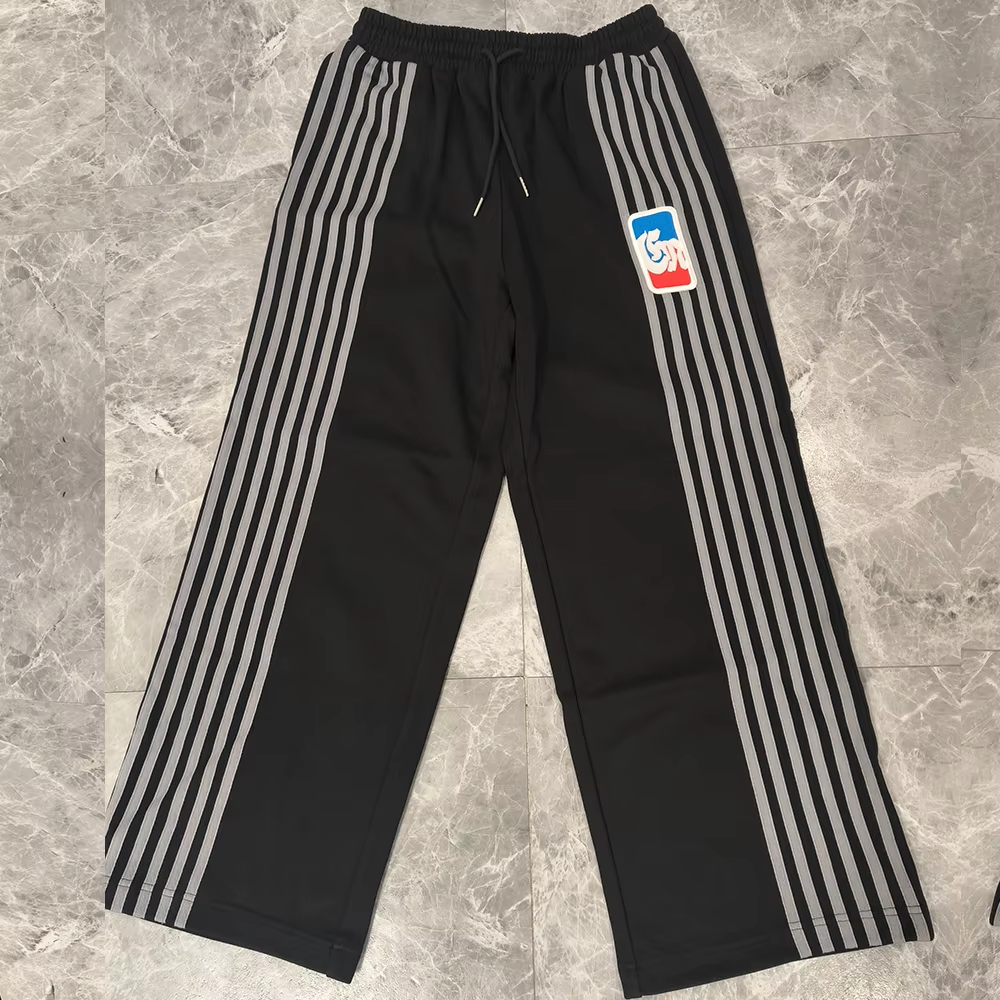
The choice of fabric in mens sport pants is far more than a cosmetic decision. When athletes and active individuals select their workout gear, the fabric composition directly impacts comfort, performance, and durability during intense physical activity. Modern mens sport pants must manage moisture effectively to keep the wearer dry and comfortable, which is why understanding fabric technology has become essential for anyone serious about their training regimen or daily athletic pursuits.
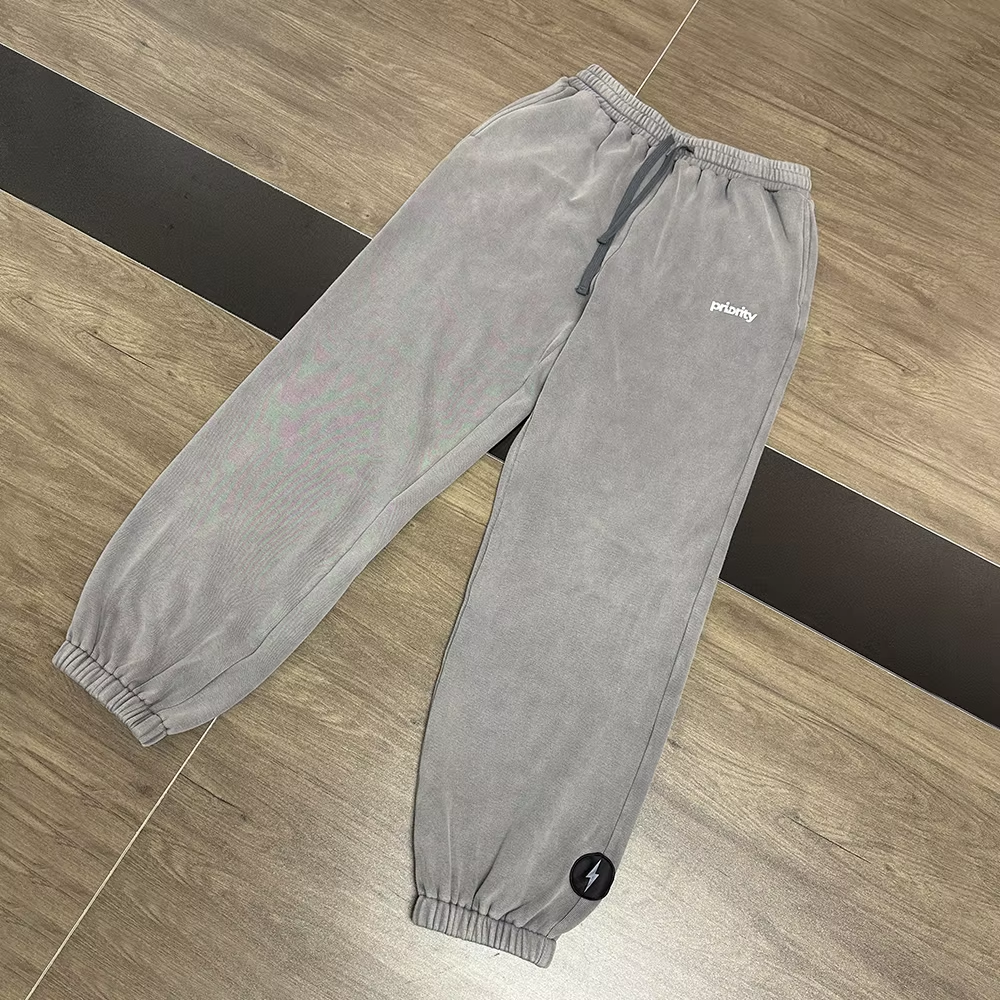
Moisture management in mens sport pants operates through a combination of fiber selection, weave structure, and finishing treatments. Quality mens sport pants use synthetic materials like polyester and nylon because these fibers naturally repel water and dry quickly compared to cotton, which absorbs moisture and retains it against the skin. The engineering behind effective mens sport pants involves not just absorbing sweat but actively moving it away from the body surface through capillary action and evaporation, a process known as moisture-wicking that separates premium athletic wear from basic casual wear.
The Role of Fiber Technology in Moisture Management
Synthetic Fiber Advantages for Mens Sport Pants
Polyester and nylon dominate the mens sport pants market because of their superior moisture-handling capabilities. Polyester fibers in mens sport pants have a low absorbency rate, typically under five percent, meaning sweat moves through the fabric rather than being trapped. This property makes polyester ideal for mens sport pants used in high-intensity activities where moisture buildup can cause discomfort and skin irritation. Nylon in mens sport pants adds elasticity and durability while maintaining similar moisture-repelling properties, allowing the garment to stretch during movement while still managing perspiration effectively.
Blended Fabrics in Performance Mens Sport Pants
Many premium mens sport pants combine polyester with spandex or elastane in ratios like eighty-five percent polyester to fifteen percent spandex. This blend gives mens sport pants the moisture-wicking performance of synthetic fibers while adding the stretch needed for athletic movement. The small percentage of spandex in mens sport pants does not significantly compromise moisture management but dramatically improves fit and comfort during dynamic activities. High-quality mens sport pants often use microfiber polyester, which has finer filaments that increase surface area for more efficient moisture transfer away from the skin.
Weave Structures That Enhance Moisture Control
Advanced Weave Technology for Mens Sport Pants
The weave structure of mens sport pants determines how quickly moisture can travel through the fabric. Tight, dense weaves in mens sport pants can trap moisture, while open weaves allow rapid moisture escape but may reduce durability and wind resistance. The ideal mens sport pants use specialized weave patterns that balance breathability with structural integrity, creating microscopic channels that direct sweat away from skin contact while maintaining fabric strength. Four-way stretch fabrics, common in modern mens sport pants, combine specific weave architecture with elastane distribution to support moisture movement in all directions during complex athletic movements.
Surface Treatment in Mens Sport Pants Fabrics
Surface finishes applied to mens sport pants amplify their moisture-management performance beyond what fiber and weave alone can achieve. Hydrophobic coatings on quality mens sport pants repel water on the outer surface while the inner layers quickly transport sweat away. Antimicrobial treatments often applied to mens sport pants prevent bacterial growth that thrives in moist environments, reducing odor and extending the time between washes. Some premium mens sport pants include permanent finish treatments that maintain moisture-wicking effectiveness for dozens of laundry cycles, ensuring the mens sport pants continue performing as intended throughout their lifespan.
Performance Benefits and Practical Implications
Comfort During Extended Activity
When mens sport pants effectively manage moisture, the wearer experiences significantly greater comfort during workouts and athletic competition. Sweat that is quickly moved away from the skin surface in quality mens sport pants prevents the heavy, clinging sensation that dampens motivation and focus. Athletes wearing proper mens sport pants with advanced moisture-management technology report better temperature regulation, as the sweat-drying process aids in body heat dissipation. This cooling effect means mens sport pants users can maintain higher performance levels for longer durations without the degradation caused by overheating or excessive moisture retention.
Health and Skin Protection Through Improved Mens Sport Pants Design
Poor moisture management in mens sport pants creates an environment where fungi and bacteria thrive, leading to chafing, rashes, and skin infections. Strategic moisture-wicking in quality mens sport pants keeps skin dry enough to prevent these issues, protecting the wearer's health during regular training. The reduction of moisture buildup achieved by well-engineered mens sport pants also decreases laundry frequency, as the antimicrobial benefits of proper fiber selection mean odor develops more slowly. Long-term use of appropriate mens sport pants with genuine moisture-management capabilities supports overall skin health and workout consistency without dermatological complications.
Durability and Long-Term Performance
Moisture trapped in fibers accelerates degradation and color fading in mens sport pants. When mens sport pants are designed with effective moisture management, they dry quickly after washing, reducing the time fibers spend saturated. This faster drying cycle extends the lifespan of mens sport pants by reducing stress on fibers from prolonged moisture exposure. Synthetic fabrics used in quality mens sport pants also resist mildew growth that occurs in damp conditions, meaning proper moisture-management fabric selections protect not just the garment structure but also maintain aesthetic appeal over extended periods of use.
FAQ
What fabric is best for moisture management in mens sport pants?
Polyester and nylon are the best fabrics for moisture management in mens sport pants due to their low absorbency and rapid drying properties. Blended fabrics combining polyester with small percentages of spandex or elastane offer both superior moisture-wicking and the stretch required for athletic movement. Microfiber polyester represents an advanced option for mens sport pants, featuring finer filaments that enhance moisture transfer efficiency compared to standard polyester alternatives.
How does moisture-wicking technology work in mens sport pants?
Moisture-wicking in mens sport pants operates through capillary action, where sweat moves through fibers and between fiber layers due to surface tension differences. The hydrophobic nature of synthetic fibers in mens sport pants causes moisture to be pushed away from the skin toward the outer surface where evaporation occurs. Specialized weave structures in quality mens sport pants create pathways that facilitate this movement, while surface treatments enhance the hydrophobic properties that make moisture-wicking possible in mens sport pants.
Why is moisture management important in athletic mens sport pants?
Effective moisture management in mens sport pants prevents the discomfort of wet, heavy fabric clinging to the skin during workouts. Proper moisture control in mens sport pants supports thermoregulation by enabling efficient sweat evaporation, which cools the body and maintains performance levels. Additionally, moisture management in mens sport pants reduces the risk of bacterial growth and skin irritation while extending garment lifespan by minimizing the damage caused by prolonged moisture saturation.